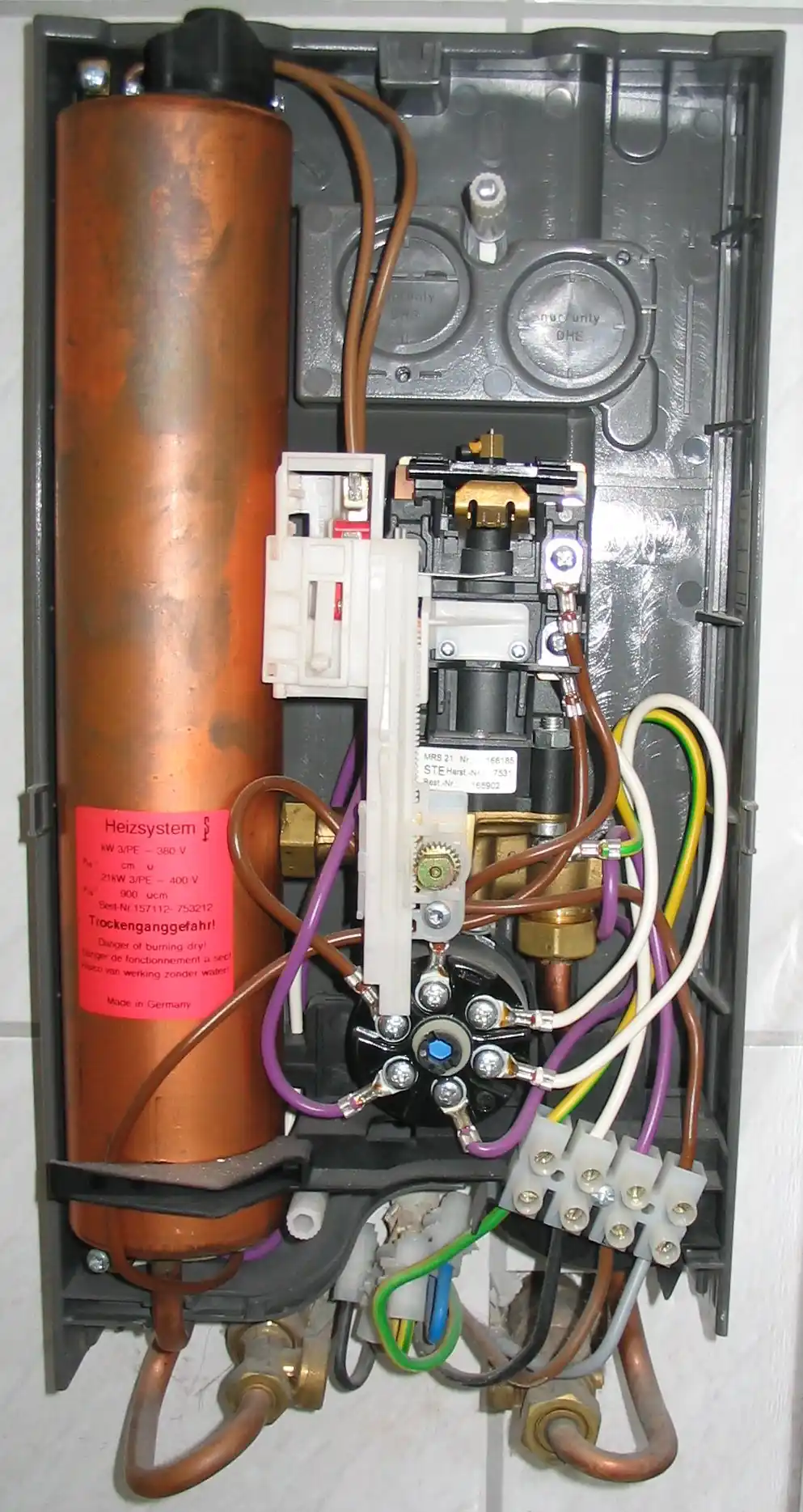
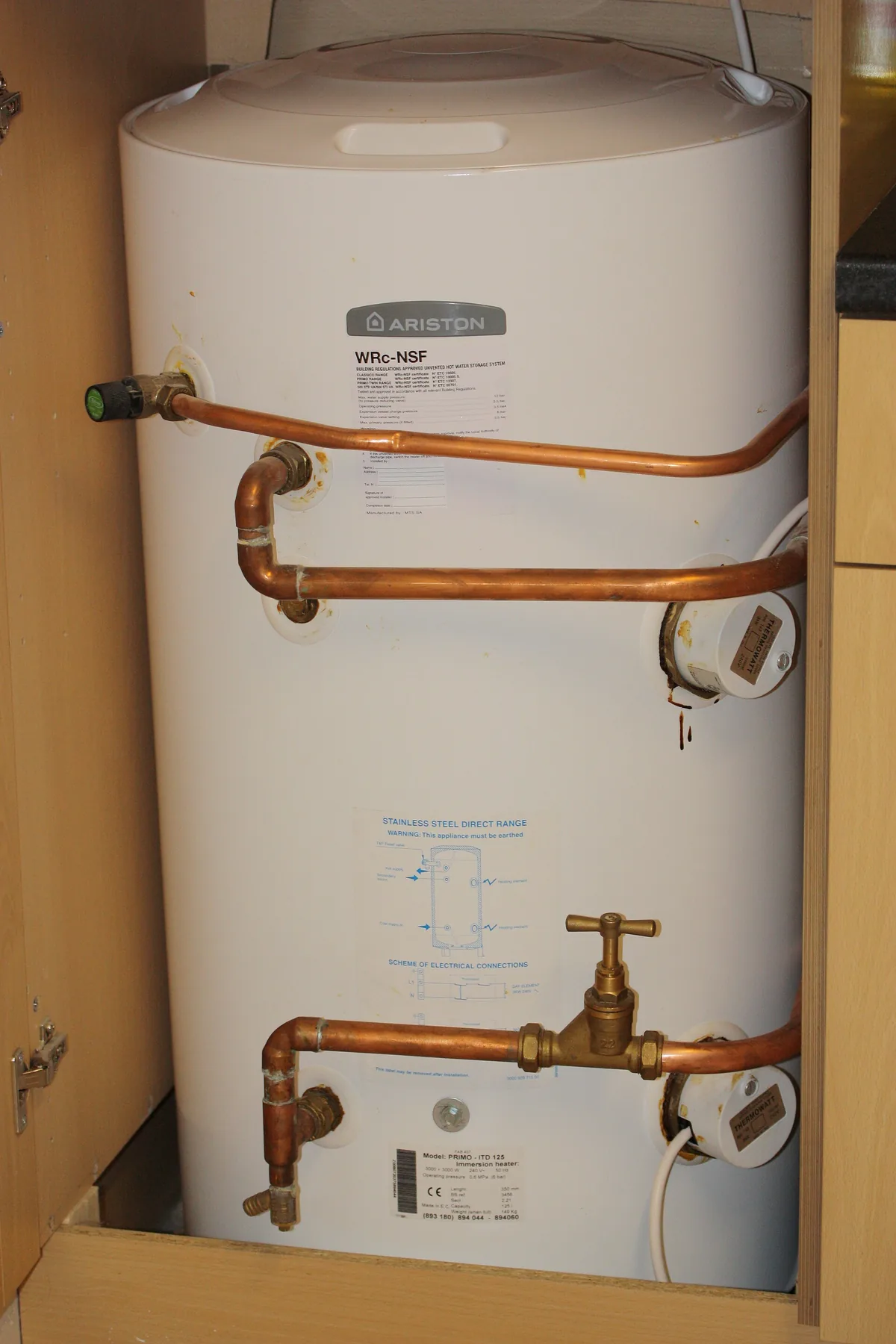
In El Paso water, an unmaintained tank water heater commonly dies years ahead of its national reputation; a flushed tank with its anode rod renewed runs years longer. The maintenance, not the brand, is the main lifespan variable in this city.
Problem: In El Paso water, an unmaintained tank water heater commonly dies years ahead of its national reputation; a flushed tank with its anode rod renewed runs years longer. The maintenance, not the brand, is the main lifespan variable in this city.
Solution: Sediment and anode depletion are the killers. A yearly flush removes the first; a rod check around year three catches the second. Together they move a heater from the short end of the range to the long end.
When to call: Plan replacement when the tank rusts at its base, when hot water runs rusty, or when failures start stacking - planned installs cost less, in every sense, than flooded-garage ones.
Ask a room of El Paso plumbers how long a water heater lasts and the answer comes back as a question: maintained or not? The national numbers assume water that does not precipitate rock into the tank. Ours does, at a rate that makes the flush valve the most important fitting in the house. This guide lays out the local ranges and the mechanics behind them, so your heater's remaining life is a plan rather than a surprise.
The El Paso Angle
Wind and dust run third. Spring is wind season, when dust storms roll off the desert and load every AC condenser coil, cooler pad and filter in the city. Then the monsoon arrives from July into September, humidity climbs, afternoon storms flood arroyos and low streets, and swamp coolers that worked in June suddenly cannot keep up.
The Local Ranges, Honestly
A tank heater in El Paso water, never flushed, lives on the sediment's schedule: the bed builds, recovery slows, the tank floor overheats and the steel fatigues - a life commonly cut well short of the same model's soft-water span. The identical tank, flushed yearly with its anode renewed once, routinely serves years longer. Between those two lives sits almost no difference in purchase price and about twenty minutes of maintenance a year.
Tankless units run a parallel story with different mechanics: their passages are narrow and their enemy is scale on the heat exchanger. Descaled on schedule - or fed softened water - they serve long lives; neglected in this water, they derate, error out and die young with their owners surprised. Gas and electric, tank and tankless: in El Paso the maintenance covenant is the lifespan.
Anatomy of a Tank Death
Follow the sequence. Minerals precipitate with every heating cycle and settle. The sediment insulates the water from the burner or elements, so the tank floor runs hotter and the unit fires longer - you hear it as popping and rumbling. Meanwhile the anode rod, the sacrificial metal that corrodes so the tank does not, is consumed by the same aggressive water in a few years. Once it is gone, the tank steel becomes the anode: rust begins, and the countdown to a base leak is running.
Every stage announces itself. Rumbling announces sediment. Rusty hot water announces the spent anode era. Longer waits for hot water announce lost capacity and dying elements. The households that hear the announcements buy repairs in the cheap years; the ones that do not meet the same story at the leak.
PROBLEM
→
SOLUTION
The Two Acts That Buy Years
The flush: draining the tank's sediment while it is still mobile - yearly, before it bakes into the stratified rock that no flush removes. A few gallons drawn regularly is the minimum; a full flush is the standard. The anode: inspected around year three in this water and replaced when spent - a part whose entire job is dying in the tank's place, and which cannot do so from a warehouse shelf.
Supporting acts matter at the margin: temperature kept at 120 degrees slows scale's formation rate; a drain pan with a clear drain line converts the eventual leak from damage to drainage; and where the water is at its hardest, softening upstream changes the entire equation - heaters fed softened water accumulate so little sediment that their lifespan math belongs to another city.
The Heater's Neighborhood: Location and Access
Where the heater lives changes both its life and its replacement economics. Attic installations - common in local tract homes - put a heavy, eventually leaking vessel over finished ceilings, and make every service visit a ladder job; pan and drain discipline there is not optional. Garage heaters share air with vehicles and storage and age in dust; closet heaters in conditioned space live gentlest and are least costly to reach. When replacement time comes, the location conversation - keep, relocate, or go tankless on a wall - is worth having before the emergency chooses for you.
Access also decides service quality across the whole life: a heater a technician can stand in front of gets its anode actually inspected; one wedged behind stored paint cans gets a glance. Keep the approach clear and the area dry - the least costly maintenance in this guide costs nothing but tidiness.
Reading the Age Before It Reads You
The serial number's opening digits encode the manufacture year and month on most major brands - photograph the rating plate and decode it once, so the heater's age is a fact in your phone rather than a guess at the worst moment. Pair the age with the symptom diary: recovery slowing, rumbling rising, rust at the base seam, pilot behavior changing. Age plus symptoms is the replacement decision; either alone misleads.
And keep the purchase paperwork with the house: warranty years are real money, and they transfer or expire on documents, not on memories. The households that claim warranties successfully are the ones who can produce the install date on demand.
Myth vs Fact
The Myth
A bigger tank always solves running out of hot water.
VS
The Fact
Recovery rate matters as much as volume - a large tank with a weak burner loses the morning shower race slowly instead of quickly. The honest fixes are matched size and recovery, sediment removal, or a tankless design sized for simultaneous draws.
The Related Service, In Depth
An installation is the one moment a water heater's next decade is fully negotiable: size, type, location details, code items and the maintenance covenant all get decided in a single visit. Every shortcut taken then - the skipped pan, the undersized vent, the unplanned flush schedule - is repaid with interest across the unit's life. Every one taken seriously compounds the other way. The equipment brands differ less than the installations do.
That is the service side of this guide's subject. When you are ready, the Water Heater Installation page carries the process, the coverage by area and the number to call.
The Process, Step by Step
Date your heater and grade its sounds
The label gives its age; the rumble gives its sediment. Both numbers frame every decision that follows.
Flush it - or have it flushed - now
Whatever its age, this year's sediment is next year's tank damage. Start the rhythm where you stand.
Check the anode around year three
Rod condition is the tank's true remaining-life gauge. Spent is a replacement; gone is a countdown.
Plan the replacement before the leak
When rust speaks or failures stack, schedule the install in a calm week with the sizing and type conversation included.
Prevention Checklist
Flush yearly - put it on the same calendar as the cooler changeover.
Set 120 degrees; hotter bakes scale faster and scalds.
Keep the heater's area visible and the pan drain clear.
Photograph the label and keep install paperwork in the house file.
After any repair, ask what the tank's grades were - keep the diary.
Consider softening where heaters die young on schedule.
A Field Checklist for Your Own Home
Rating plate photographed, age decoded
Year and month from the serial - the budget conversation starts here.
Anode inspected on schedule
Every two to three local years; replaced while thread metal remains.
Sediment flushed annually
Until the drain runs clear; the rumble quiets as proof.
Replacement conditions decided in advance
Budget, type and location chosen in a calm month.
What the Paperwork Should Show
The economics of the proactive replacement deserve one paragraph of honesty: yes, you surrender the old heater's last theoretical months - the months most likely to be interrupted by a failure, a flood or a weekend emergency rate. What you buy with them is choice: of installer, of equipment, of timing, and of a dry floor. Priced over a decade of ownership, the surrendered months are the least costly line in the ledger.
Conversely, a young, quiet, well-maintained heater should be run with confidence - the maintenance rhythm in this guide exists to extend exactly that confidence, and replacement enthusiasm is no more a strategy than neglect is.
How a Professional Works This Problem
The professional habit that extends heater life most is boring: the drain valve exercised and the flush performed even when the water runs clear quickly, because the valve that is never turned is the valve that fails shut the year it is needed. Ask whether the flush was done, not just offered.
On any heater service, ask for the anode's condition described or photographed - the answer tells you whether the visit was maintenance or theater.
The Bottom Line
A water heater in El Paso is a decade-long appointment with hot water that hard water keeps trying to shorten. Flush it, inspect its anode, know its age, and choose its successor on your schedule - that is the whole secret, and it works.
Most El Paso homes sit on concrete slabs with water lines beneath them, on soils that move and with water that corrodes - so slab leaks are a known local failure with known signs: warm floors, a running meter, a doubling water bill.
El Paso's clear desert nights drop below freezing in fast, deep swings, and the pipes that burst are predictable: hose bibs, garage and laundry runs on outside walls, attic lines, and undrained swamp cooler supply lines - the 2011 freeze wrote the lesson citywide.
My El Paso water heater is eight years old. Is it done?
It is in the judgment zone, and its condition - not its birthday - referees. A flushed eight-year-old with a sound anode may have years left; a silent eight-year-old with a deep sediment bed and a spent rod is on borrowed time. The service visit that flushes it and checks the rod converts the question into a measurement.
Can flushing an old, neglected tank hurt it?
Occasionally the sediment is plugging pinholes, and flushing reveals a leak that was coming anyway - the flush did not cause the failure; it removed the plug that was hiding it. This is rare, and the alternative (never flushing) ensures the slow death instead. Plumbers will warn you when a tank looks like that candidate.
Do tankless heaters outlast tanks in El Paso?
Maintained, they can - no tank to rust, no anode, no standing sediment bed. Unmaintained, their narrow passages scale faster than a tank fills, and they can die younger. The comparison is really between two maintenance covenants, and the honest one is the one your household will actually keep.
What is the first sign my heater is dying?
Usually sound: new popping, rumbling or crackling as sediment takes the floor. Rusty hot water is the second sign and the more serious one. Either deserves a service visit in the calm season - both are the tank speaking while it can still be helped.
Please note: El Paso Home Services is an independent directory and referral service, not a plumbing or HVAC contractor. The professionals reachable through this site are independent businesses; any agreement for work is between you and the professional you engage. Service information on this site is general educational material - the scope of any real work is set by an on-site inspection.
A Burst Pipe, a Backed-Up Drain or an AC That Quit in July?
One call connects you with a local home-services professional serving El Paso - plumbing and cooling help, matched to your part of the city.