AC Installation Through the El Paso Year
Spring is wind season in El Paso, and it is home-systems season too. Dust rides the wind into every condenser coil and cooler pad, the first hot afternoons wake cooling systems from their winter idle, and swamp cooler changeover - pads, pumps, bleed lines - happens on every rooftop that still runs evaporative. A spring service visit, before the heat commits, is the most valuable appointment on the El Paso calendar.
Fall is the repair window. The monsoon breaks, the heat lets go, and the weather turns calm and dry - the right weeks to fix what the summer exposed, flush the water heater before the holidays load it, and swap cooler systems over before the first freeze night finds water still sitting in their lines.
Summer is the proving season. Weeks of 100-degree afternoons run air conditioners near-continuously, cold water lines sweat in hot attics, and water heaters work against the highest inlet temperatures of the year. Then the monsoon folds humidity into the heat: refrigerated air must suddenly dehumidify as well as cool, and swamp coolers lose their edge entirely on the humid afternoons.
AC Installation in Depth
An installation outlives its installer in the house by decades, and nearly everything that will ever be true of the system's comfort and cost is decided in its first day: the sizing arithmetic, the duct corrections, the charge weighed and verified, the drain that will or will not flood a ceiling in year nine. Equipment generations will come and go in the catalogs; the installed system in the attic is the one the household actually bought.
Commissioning is the chapter that separates installation from delivery. Charge set by measurement against the manufacturer's targets, airflow proven at the registers, condensate produced and watched draining, controls configured to the house - these acts convert a machine into a system with known performance. The household should receive those numbers. They are the baseline every future service visit will compare against, and their absence is how small drifts become big failures unnoticed.
Choosing the Right Help
Choose the installer who calculates. The load math, the duct inspection and the commissioning numbers are the installation; the equipment is the commodity between them. Compare installers on the paperwork they offer before the job - calculations, scope itemization, permit handling - and the paperwork they promise after it: commissioning records and warranty registration.
The Climate Behind It
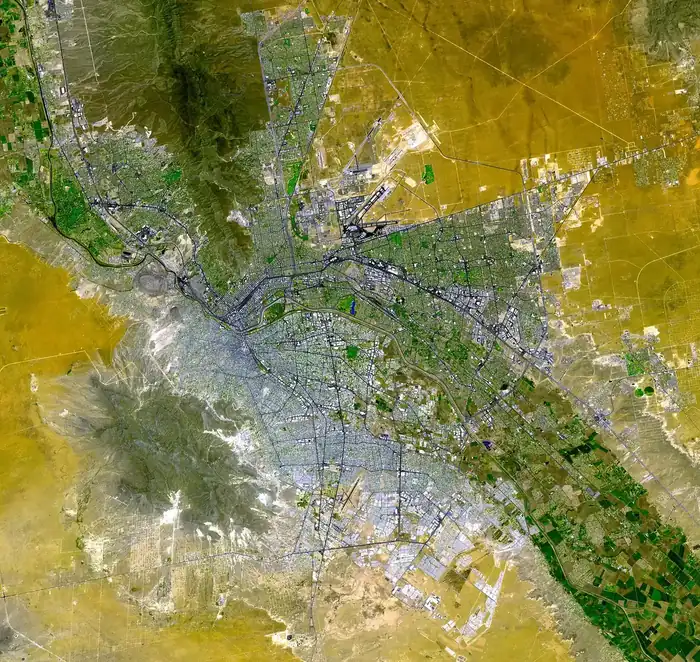
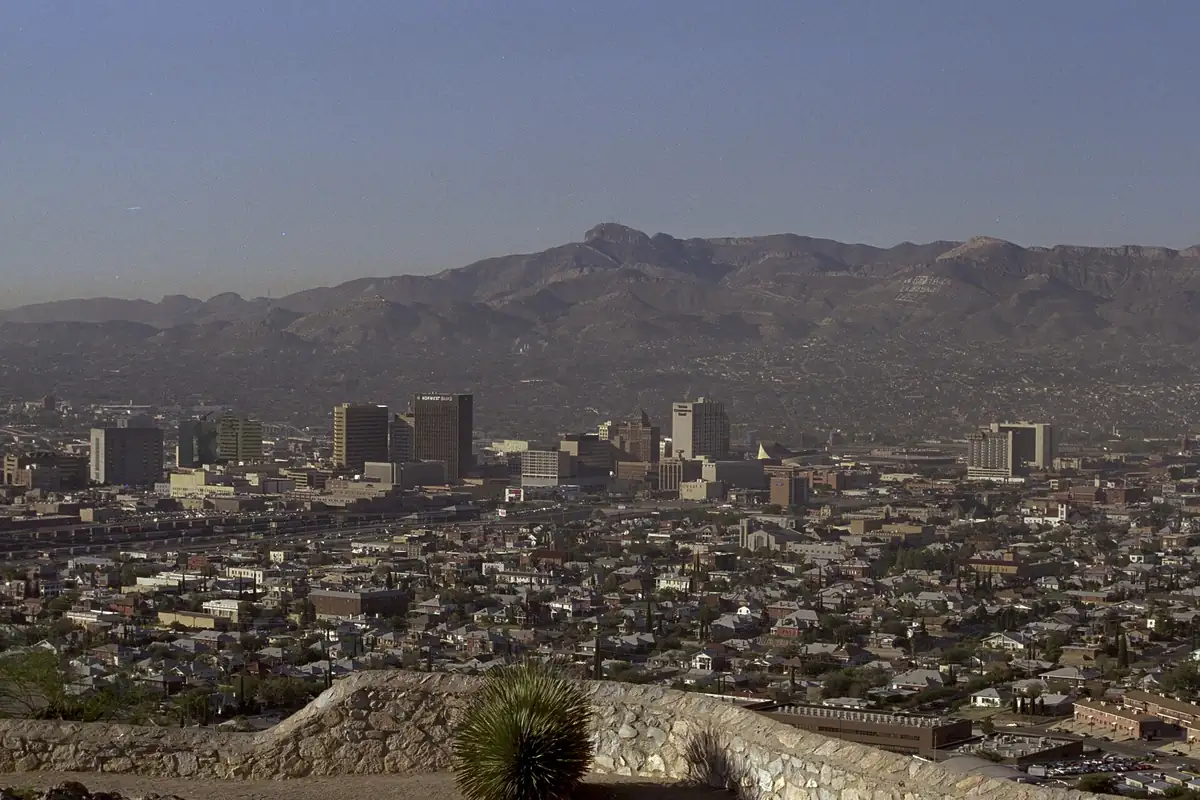
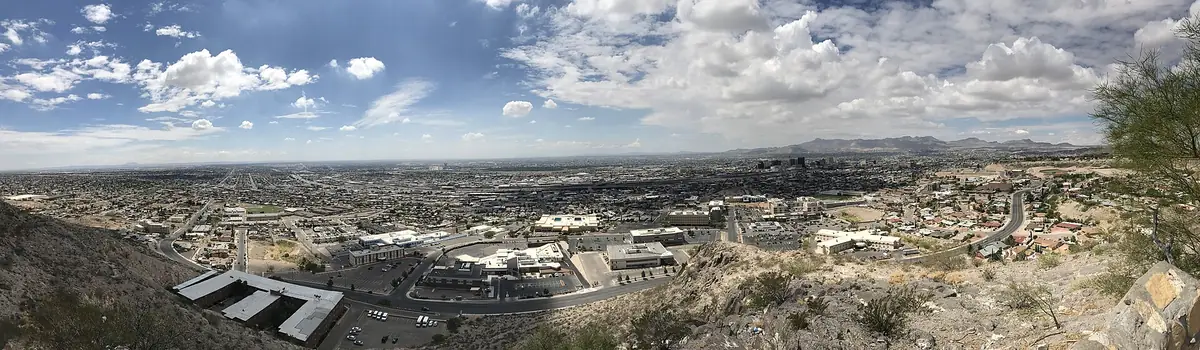
El Paso sits in the Chihuahuan Desert at roughly 3,700 feet, and the desert sets the terms for every pipe and compressor in the city: summer afternoons that pass 100 degrees for weeks, sun that bakes rooftops and outdoor units all day, and air dry enough that evaporative cooling works - most of the year. Home systems here do not age the way they age in humid or mild cities.
The water is the second force. El Paso's supply - drawn from the Rio Grande and the Hueco and Mesilla bolson aquifers - is very hard, loaded with the calcium and magnesium the desert geology hands it. That mineral load scales water heater tanks and elements, crusts faucet aerators and showerheads, spots every fixture, and quietly shortens the life of everything water touches.
How AC Installation Works
Calculate the load from the house itself
Measurements, glass, insulation, orientation and duct inspection - the tonnage is derived, not assumed from the old unit's label.
Choose the system with the payback shown
Efficiency tiers and their honest desert payback, refrigerant generation, and warranty terms - laid out against your utility pattern before the decision.
Install the whole scope
Equipment, line set, condensate with safety switches, duct sealing and corrections, thermostat - permits and code items included, old equipment hauled away.
Commission it, don't just start it
Charge verified by measurement, airflow balanced room to room, condensate tested, and the system's operation walked through with you before the crew leaves.
Doing It Yourself vs a Professional
The DIY Route
- Like-for-like tonnage swaps preserve the original sizing mistake for another twenty years
- New equipment on leaking attic ducts delivers new-system bills with old-system comfort
- Skipping permits and commissioning leaves charge and airflow unverified - the two things that decide performance
VS
The Professional Route
- Derives tonnage from a load calculation on your house, not a rule of thumb
- Scopes the ducts, condensate and controls with the equipment - the whole system
- Commissions by measurement: charge, airflow and drain performance verified at startup
Keep It From Coming Back
A new system's first year writes its maintenance file. These habits - records, filters, drain care, the first-year check - are how an installation stays an asset instead of becoming a countdown.
- Keep the installation paperwork, load calculation and warranty documents in the house file.
- Start the filter and coil rhythm in month one - new systems age on the same dust.
- Register the equipment warranty; unregistered warranties often carry shorter terms.
- Have the condensate drain treated at the first service - monsoon season tests it.
- Book the first-year check before the warranty's first summer ends.
- Photograph the installed unit's labels for every future service call.