El Paso AC & Heating

Heating & Furnace Repair in El Paso, TX

Heating and furnace repair in El Paso - no-heat calls, ignition failures, cracked heat exchangers and heat pumps that quit on the coldest desert nights.

Wind and dust run third. Spring is wind season, when dust storms roll off the desert and load every AC condenser coil, cooler pad and filter in the city. Then the monsoon arrives from July into September, humidity climbs, afternoon storms flood arroyos and low streets, and swamp coolers that worked in June suddenly cannot keep up.

And winter has teeth here, whatever the postcards say. Desert nights drop below freezing for stretches every year, and hard cold snaps - El Pasoans still measure them against the February 2011 freeze - burst exposed pipes across whole neighborhoods in a single night. Plumbing and cooling in this city are built, or should be, for all four of those forces at once.

Signs You Need Heating & Furnace Repair

No heat at all on a cold morning

Ignition sequence failures, dead boards, tripped limits, gas supply issues - the no-heat call is a sequence diagnosis: each step of startup either happens or names its fault.

The furnace starts, blows cold, and quits

A flame that lights but does not prove, or a limit tripping on low airflow - the system is protecting itself from something, and the something is the diagnosis.

Short, frequent heating cycles

Oversized equipment, a failing limit, or a thermostat anticipator story - short cycles wear the ignition system and leave the house swinging between hot and cold.

Yellow, lazy or noisy flames

Burner flames should be steady and blue. Yellow tipping, rumbling ignition or popping delays are combustion reporting a problem that deserves a technician, not patience.

A heat pump's outdoor unit caked in ice

Defrost exists for a reason; a unit that stays iced has a board, sensor or refrigerant problem, and its auxiliary heat bills are climbing while it struggles.

Carbon monoxide detector alarming or soot at the furnace

Leave and call from outside. This is the one heating symptom with no diagnostic debate attached - safety services first, furnace second.

Why Heating & Furnace Repair Is a Standing Job in El Paso

Idle-season decay is the furnace's main enemy in a cooling-dominated city. From March to November the equipment sits: dust settles on burners and flame sensors, spiders colonize orifices, condensate traps dry and crack, and rodent damage accumulates in the quiet. The first cold call of the year exercises all of it at once - which is why fall service exists, and why its absence is so reliably punished in December.

The heat exchanger is the serious component. It separates combustion gas from household air across metal that expands and contracts every cycle for decades; cracks, when they come, come late in life and carry the carbon monoxide consequence. Inspecting it - visually and by combustion analysis - is the heating visit's non-negotiable core, and its condition is the honest referee of repair-versus-replace arguments.

Heat pumps age by a different mechanism: they never rest. The same compressor that cools July heats January, accumulating double run-hours against a cooling-only twin. Defrost cycles stress boards and valves; auxiliary strips hide declining heat-pump performance behind high bills for whole winters. Their maintenance is year-round because their work is.

Heating & Furnace Repair Through the El Paso Year

Summer is the proving season. Weeks of 100-degree afternoons run air conditioners near-continuously, cold water lines sweat in hot attics, and water heaters work against the highest inlet temperatures of the year. Then the monsoon folds humidity into the heat: refrigerated air must suddenly dehumidify as well as cool, and swamp coolers lose their edge entirely on the humid afternoons.

Fall is the repair window. The monsoon breaks, the heat lets go, and the weather turns calm and dry - the right weeks to fix what the summer exposed, flush the water heater before the holidays load it, and swap cooler systems over before the first freeze night finds water still sitting in their lines.

Spring is wind season in El Paso, and it is home-systems season too. Dust rides the wind into every condenser coil and cooler pad, the first hot afternoons wake cooling systems from their winter idle, and swamp cooler changeover - pads, pumps, bleed lines - happens on every rooftop that still runs evaporative. A spring service visit, before the heat commits, is the most valuable appointment on the El Paso calendar.

Heating & Furnace Repair in Depth

Heating is the safety trade inside the comfort trade. A furnace's failures divide into the inconvenient and the consequential, and telling them apart is the visit's first obligation: a dead igniter is an errand; a cracked heat exchanger is an evacuation of the appliance from service. Combustion analysis and exchanger inspection are therefore not premium extras on a heating call - they are the call.

The desert's contribution is idleness. Equipment that rests eight months in dust and heat degrades in ways heating-dominant climates never see: fouled sensors, colonized orifices, dried traps, connections loosened by attic bake cycles. The fall service exists because the failure statistics demand it - and households that treat heating as the junior system meet its seniority on the coldest night of the year, which is when it collects.

Choosing the Right Help

Choose heating help by its safety order: combustion and exchanger findings lead the report, the startup sequence is observed rather than guessed, and condemnation verdicts come with evidence you can see. On combustion appliances, thoroughness is not a style - it is the service itself.

The Climate Behind It

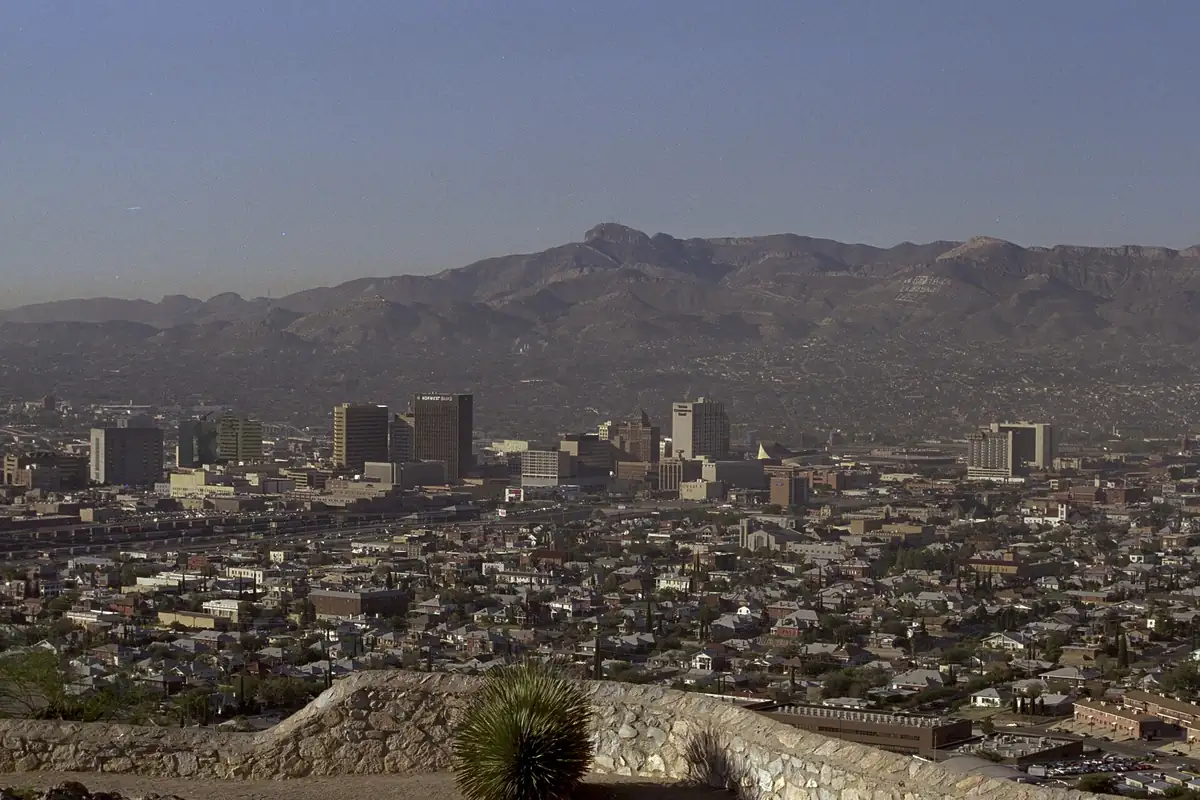
El Paso sits in the Chihuahuan Desert at roughly 3,700 feet, and the desert sets the terms for every pipe and compressor in the city: summer afternoons that pass 100 degrees for weeks, sun that bakes rooftops and outdoor units all day, and air dry enough that evaporative cooling works - most of the year. Home systems here do not age the way they age in humid or mild cities.

The water is the second force. El Paso's supply - drawn from the Rio Grande and the Hueco and Mesilla bolson aquifers - is very hard, loaded with the calcium and magnesium the desert geology hands it. That mineral load scales water heater tanks and elements, crusts faucet aerators and showerheads, spots every fixture, and quietly shortens the life of everything water touches.

How Heating & Furnace Repair Works

Safety first, always

Combustion and carbon monoxide checks frame the visit before comfort diagnostics begin - on gas equipment, this order is not negotiable.

Walk the startup sequence

Thermostat call, inducer, ignition, flame proof, blower - the sequence is observed step by step until it names the step that fails.

Repair with the cause included

A flame sensor cleaned beside a dirty filter gets the airflow fixed too; an ignition board replaced gets its voltage and grounding verified. Heat exchangers are condemned or cleared by evidence, stated plainly.

Verify a full heating cycle

The system runs to temperature, cycles off and restarts cleanly before the visit ends - with combustion readings recorded for the house file.

Doing It Yourself vs a Professional

The DIY Route

  • Relighting or resetting a furnace repeatedly without the sequence diagnosis can mask a cracked exchanger's warning signs
  • Cleaning a flame sensor as the universal cure ignores the airflow and combustion causes that foul it
  • Running a heat pump on emergency heat all winter pays strip-heat bills to hide a repairable fault
VS

The Professional Route

  • Opens with combustion and CO testing - safety measurements precede comfort ones
  • Diagnoses the startup sequence step by step instead of swapping ignition parts
  • States heat exchanger verdicts from inspection evidence, with the reasoning shown

Keep It From Coming Back

Heating stays safe and ready by being exercised and inspected before it is needed. Fall habits dominate this list because December is when their absence presents its invoice.

  • Book the fall heating check before the first freeze - September slots are calm, December's are not.
  • Replace filters at the season change; low airflow trips limits and stresses exchangers.
  • Keep the furnace area clear and the flue path unobstructed through the idle months.
  • Test carbon monoxide detectors with the smoke alarms, twice a year.
  • Run the heat briefly on the first cool fall evening - find the fault while it is a curiosity.
  • Note startup sounds in fall; ignition that labors in October fails in January.
Heating & Furnace Repair in the Valley Communities

The communities around El Paso share its heat and its water - with their own twists of wells, septic systems, altitude and age.

Heating & Furnace Repair in Sunland Park

Sunland Park is the New Mexico city pressed against El Paso's west flank - home to the Sunland Park Racetrack and Casino, neighborhoods under Mount Cristo Rey, and streets that cross the state line without changing their character. Its residents shop, work and live on both sides of the line.

Heating & Furnace Repair in Fort Bliss Area

The Fort Bliss area wraps around one of the Army's largest installations - the neighborhoods off-post along US-54 and Airport Road where soldiers and their families rent and buy, plus the commercial strips that serve the post. Turnover is a way of life here; rental properties cycle tenants every few years.

Heating & Furnace Repair in Anthony

Anthony straddles the Texas-New Mexico line at the top of the Upper Valley - a small farming town of orchards, dairies and quiet streets where the state line runs down the middle of town. It is the valley's rural bookend, twenty minutes and a world away from downtown El Paso.

Heating & Furnace Repair in Fabens

Fabens is the valley's downriver farming town - cotton and chile fields along the Rio Grande, a main street of older storefronts, and neighborhoods where families have farmed the same valley floor for generations. It is the last El Paso County community before the river road heads toward Tornillo.

Where Heating & Furnace Repair Is Needed Most

On the east side and up against the mountain - Eastside, Far East El Paso, Westside and Northeast, Central - the housing runs from fast-built subdivisions to base-adjacent rentals, and heating & furnace repair follows the construction: new systems aging in hard water at record pace, warranty-era fittings reaching their first failures together, and summer loads that test every installation shortcut.

Across the center, the west and the valleys - Upper Valley, Lower Valley, Mission Valley and Horizon City, Socorro, Canutillo - sit the city's oldest homes, its historic districts and its foothills customs, which together make this the steadiest heating & furnace repair territory in the city.

Beyond the city line, the same work runs in Sunland Park, Fort Bliss Area, Anthony, Fabens - mission towns, desert subdivisions and valley communities where wells, septic systems and long service runs add their own chapters. Every one of these area pages carries the local detail for heating & furnace repair in that community.

Coverage, In Full

Heating & Furnace Repair runs across the whole service map: the Eastside and Far East El Paso; the Westside and the Upper Valley; the Northeast and the Fort Bliss area; Central El Paso and Downtown; the Lower Valley and Mission Valley; and beyond the city in Horizon City, Socorro, Canutillo, Sunland Park, Anthony and Fabens. One call covers all of it - the local pages above carry the detail for each. If your street is not named here, call anyway: routes grow with demand, and most El Paso addresses are already within reach of a scheduled run.

From the El Paso Home Guides

Swamp Cooler or Refrigerated Air in El Paso? An Honest Comparison

Swamp coolers cool beautifully and cheaply in El Paso's dry months and physically cannot in the monsoon's humid weeks; refrigerated air cools and dehumidifies in all of it, sealed against dust, at a higher running cost. Neither wins the whole year for every household. Decide by your pain: if August humidity, dust and allergies rule your complaints, refrigeration answers them; if dry-month economy rules and August is tolerable, a maintained cooler remains a rational machine. Hybrids split the difference by season.

Read the Guide

Dust Storms and Your HVAC: An El Paso Survival Guide

Spring dust storms load every part of a home's air system at once: condenser coils mat with grit, filters clog in days, return-side duct leaks inhale attic dust, and indoor air becomes the storm's diluted continuation. The defense is a sequence: seal the air path first (duct returns, envelope), filter at the grade the blower can sustain, clean coils after major storms, and run the fan to scrub indoor air while the storm passes.

Read the Guide

Monsoon Season and Your Cooling System: El Paso's Humidity Weeks

From July into September the monsoon swaps El Paso's cooling problem: not hotter, but humid. Refrigerated systems must dehumidify as they cool, condensate drains run at full capacity, and swamp coolers lose their physical margin on the wettest afternoons. Prepare the drain before the season: cleared, trapped, treated, with its safety switch tested - monsoon condensate is gallons a day, and the clogged drain is the season's signature ceiling stain.

Read the Guide

Heating & Furnace Repair Questions

What heating systems serve El Paso homes?

Gas furnaces dominate, heat pumps are the growing second, and electric furnaces and strips serve smaller properties and additions. Swamp-cooler homes still need a heat source for winter - the furnace is the silent partner in every evaporative house.

What does a furnace's AFUE rating mean here?

AFUE is the share of fuel energy that becomes household heat across a season. Higher AFUE matters most where heating hours are high; El Paso's moderate-but-real winters make mid-to-high efficiency the usual honest recommendation rather than the extreme tier.

Can a furnace be repaired at any age?

Parts permitting, most faults are repairable - the question is whether they should be. A sound exchanger and available parts justify repairs deep into a furnace's life; a cracked exchanger or obsolete controls end the argument regardless of the rest.

What affects the cost of heating repair in El Paso?

The failed component (sensor versus board versus blower), the equipment's age and parts availability, and whether safety components are involved. The number follows the sequence diagnosis - heating is never honestly priced before the startup is observed.

Why did my furnace in El Paso quit on the coldest night?

Because that is the first full-load test since March, applied to equipment that sat idle collecting dust-season faults for eight months. Ignition parts, sensors and boards that were marginal in fall fail under the first sustained demand. The pattern is so reliable that the fall check exists specifically to break it.

Is a cracked heat exchanger in El Paso always a replacement?

A cracked exchanger is a safety condemnation of the furnace - the appliance cannot run with a breach between combustion gas and household air. What is replaced is the furnace (or, where design allows, the exchanger itself, rarely economical on older units). There is no repair-in-place for a crack, and any advice suggesting otherwise should end the conversation.

Why does my heat pump in El Paso blow cool air sometimes?

During defrost, the system briefly reverses to melt ice from the outdoor coil, and supply air cools for minutes - normal, if infrequent. Cool air as a pattern means the defrost is failing, the charge is low, or the auxiliary strips are not engaging - all diagnosable in one visit with gauges and the defrost cycle observed.

How often should a furnace in El Paso be serviced?

Yearly, in fall - combustion does not forgive longer intervals, and the idle desert summer is itself a fouling season for burners and sensors. Heat pumps justify twice-yearly attention because they never have an off-season.

Please note: El Paso Home Services is an independent directory and referral service, not a plumbing or HVAC contractor. The professionals reachable through this site are independent businesses; any agreement for work is between you and the professional you engage. Service information on this site is general educational material - the scope of any real work is set by an on-site inspection.

A Burst Pipe, a Backed-Up Drain or an AC That Quit in July?

One call connects you with a local home-services professional serving El Paso - plumbing and cooling help, matched to your part of the city.

📞 Call Now