Ductless Mini-Splits Through the El Paso Year
Spring is wind season in El Paso, and it is home-systems season too. Dust rides the wind into every condenser coil and cooler pad, the first hot afternoons wake cooling systems from their winter idle, and swamp cooler changeover - pads, pumps, bleed lines - happens on every rooftop that still runs evaporative. A spring service visit, before the heat commits, is the most valuable appointment on the El Paso calendar.
El Paso winters are bright days and freezing nights. The danger hour is the desert dawn, when exposed and under-insulated pipes - hose bibs, garage runs, attic lines, cooler supply lines - reach their coldest. Winter work here is freeze protection and heating: furnaces and heat pumps that sat idle since March get their first real calls on the coldest nights of the year.
Fall is the repair window. The monsoon breaks, the heat lets go, and the weather turns calm and dry - the right weeks to fix what the summer exposed, flush the water heater before the holidays load it, and swap cooler systems over before the first freeze night finds water still sitting in their lines.
Ductless Mini-Splits in Depth
The mini-split reframes the comfort question from 'what temperature is the house' to 'what temperature is this room, for these people, now.' That reframing suits how El Paso households actually live - casitas with their own generations, offices in converted garages, bedrooms occupied on different schedules than living rooms. Zoning is not a feature of the technology; it is the technology's thesis.
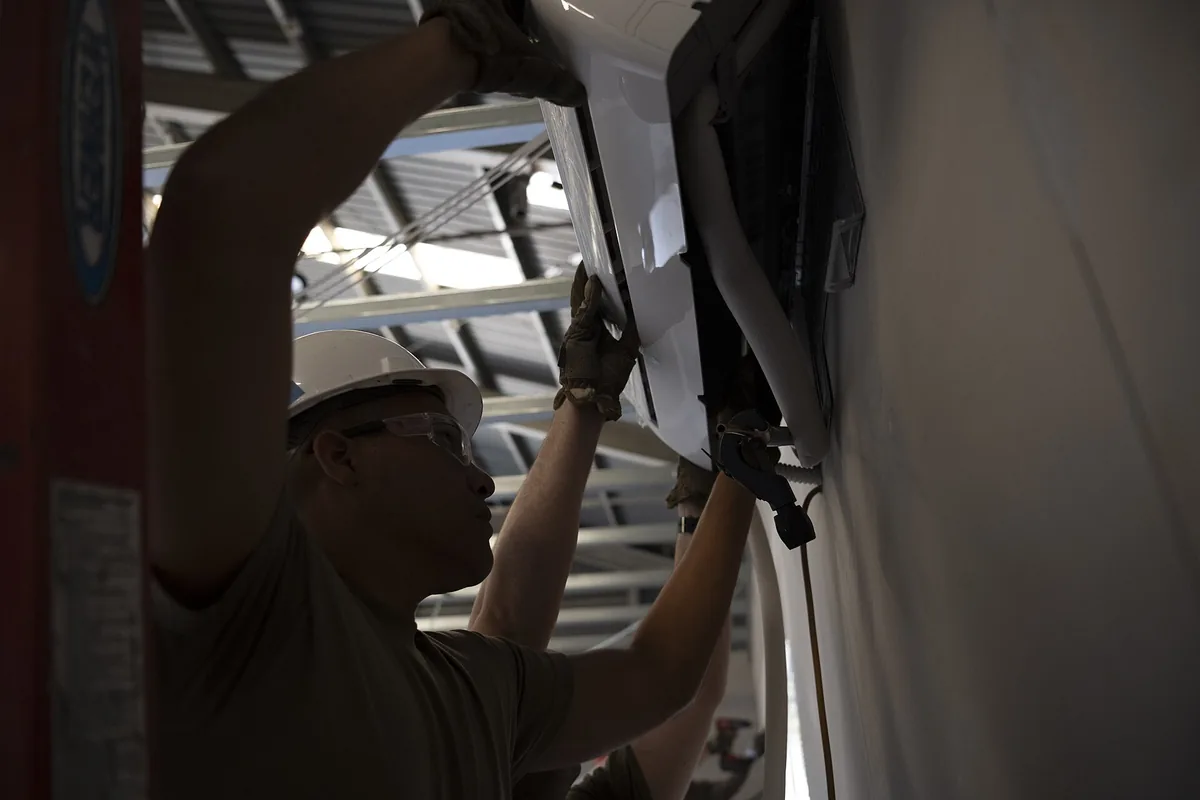
Its installation discipline is correspondingly precise: the circuit's cleanliness at startup - deep vacuum, dry nitrogen, weighed charge - decides the compressor's next twenty years, and head placement decides the room's daily experience of the machine. The systems that disappoint were almost always designed or installed casually; the ones that delight were planned like the small buildings they serve. Planning is the product; the boxes are commodities.
Choosing the Right Help
Choose the mini-split installer by the design walk: per-room loads computed, head placement argued from throw and drainage, line routes shown. Ask about the vacuum standard and the condensate plan for every head. These systems are precision instruments compared to their size; the installation should feel like it.
The Climate Behind It
El Paso sits in the Chihuahuan Desert at roughly 3,700 feet, and the desert sets the terms for every pipe and compressor in the city: summer afternoons that pass 100 degrees for weeks, sun that bakes rooftops and outdoor units all day, and air dry enough that evaporative cooling works - most of the year. Home systems here do not age the way they age in humid or mild cities.
The water is the second force. El Paso's supply - drawn from the Rio Grande and the Hueco and Mesilla bolson aquifers - is very hard, loaded with the calcium and magnesium the desert geology hands it. That mineral load scales water heater tanks and elements, crusts faucet aerators and showerheads, spots every fixture, and quietly shortens the life of everything water touches.
How Ductless Mini-Splits Works
Walk the spaces and compute each zone's load
Room by room: dimensions, glass, orientation, use - and where a head can sit to wash the room and drain correctly.
Design the system layout
Head count and sizes, outdoor unit placement, line-set routes and condensate paths - shown to you as a plan before anything is ordered.
Install with the details finished
Wall penetrations sealed, lines insulated and covered, vacuum pulled to specification, condensate tested - the refrigerant circuit's cleanliness now decides its next twenty years.
Commission zone by zone
Each head's throw, temperature and drain verified; controls handed over with the zoning logic explained - how to run the house as zones, not as one compromise.
Doing It Yourself vs a Professional
The DIY Route
- Sizing heads by the room's square footage alone oversizes west-glass rooms and undersizes shaded ones
- A head mounted over a bed or desk blasts the occupants it was bought to comfort
- Skipping the deep vacuum at install leaves moisture in the lines that eats the compressor for years
VS
The Professional Route
- Computes loads per room and places heads for throw and drainage, not convenience
- Pulls a verified vacuum and weighs charge - circuit cleanliness as a discipline
- Designs zones around how the household actually lives, room by room
Keep It From Coming Back
Mini-splits ask little and specific: clean small filters, clear coils, honest zoning. The list below is the whole covenant - minutes a month for a system that serves two seasons.
- Clean each head's washable filters monthly in dust season - they are small and load fast.
- Keep the outdoor unit's fine coil rinsed after dust storms.
- Set zones to actual schedules; cooling empty rooms negates the efficiency you bought.
- Watch condensate at the first monsoon - new drains prove themselves then.
- Keep remotes in their zones; a lost remote makes a zone a hostage.
- Book the same spring check - mini-splits have coils, drains and boards like any system.