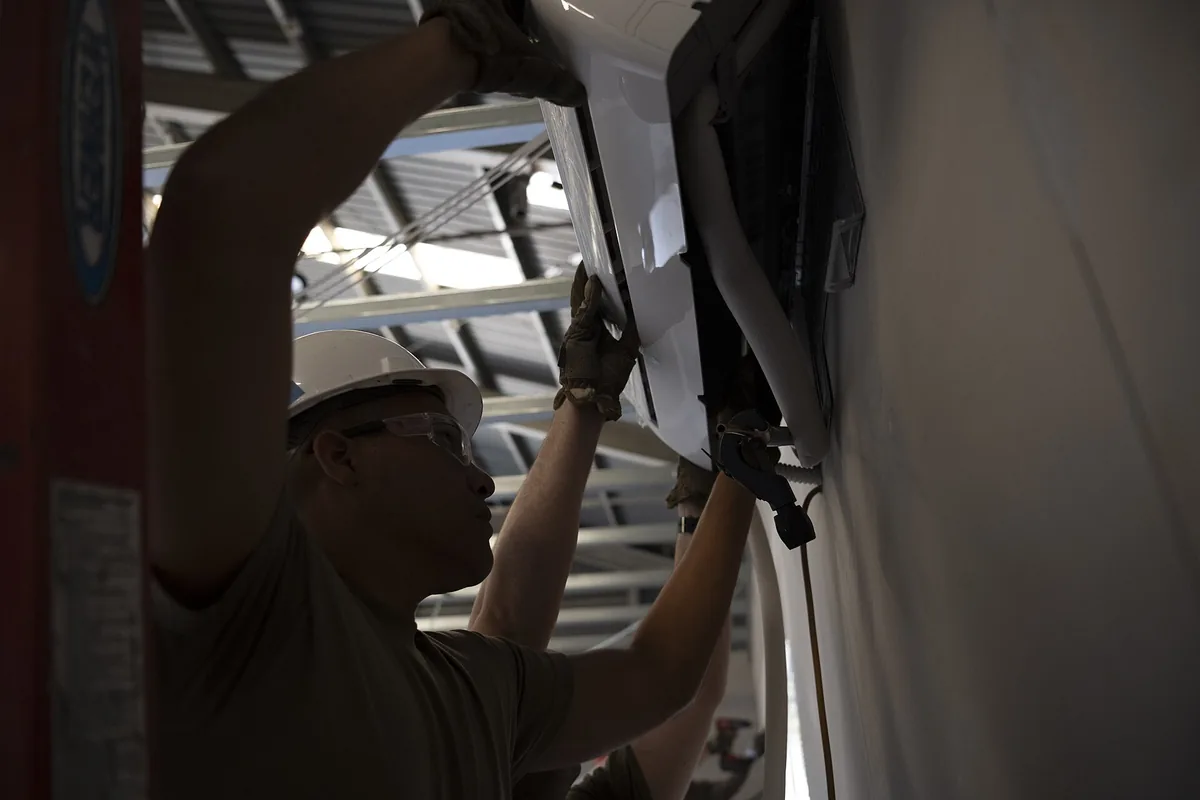
Mini-splits deliver zoned refrigerated cooling and efficient heating without ducts - ideal for El Paso's casitas, additions, converted garages, adobe homes without duct paths, and bedrooms that never matched the house.
Problem: Mini-splits deliver zoned refrigerated cooling and efficient heating without ducts - ideal for El Paso's casitas, additions, converted garages, adobe homes without duct paths, and bedrooms that never matched the house.
Solution: Success is design: per-room loads, heads placed for air throw and condensate drainage, lines run clean with a deep vacuum at install. Casual sizing and placement produce the disappointments that give the technology its rare bad reviews.
When to call: Get a design walk before any quote: room-by-room loads, head positions drawn, drain paths stated, and future zones discussed while the outdoor unit is being sized.
Drive El Paso's older neighborhoods and you can watch the mini-split arrive, one white outdoor unit at a time - beside casitas, behind converted garages, under the eaves of adobe homes that never had a duct to their name. This guide explains where the technology genuinely shines in this city's housing, where a ducted system still wins, and the design details that separate the installations people praise from the ones they tolerate.
The El Paso Angle
The water is the second force. El Paso's supply - drawn from the Rio Grande and the Hueco and Mesilla bolson aquifers - is very hard, loaded with the calcium and magnesium the desert geology hands it. That mineral load scales water heater tanks and elements, crusts faucet aerators and showerheads, spots every fixture, and quietly shortens the life of everything water touches.
The El Paso Use Cases, Ranked by Fit
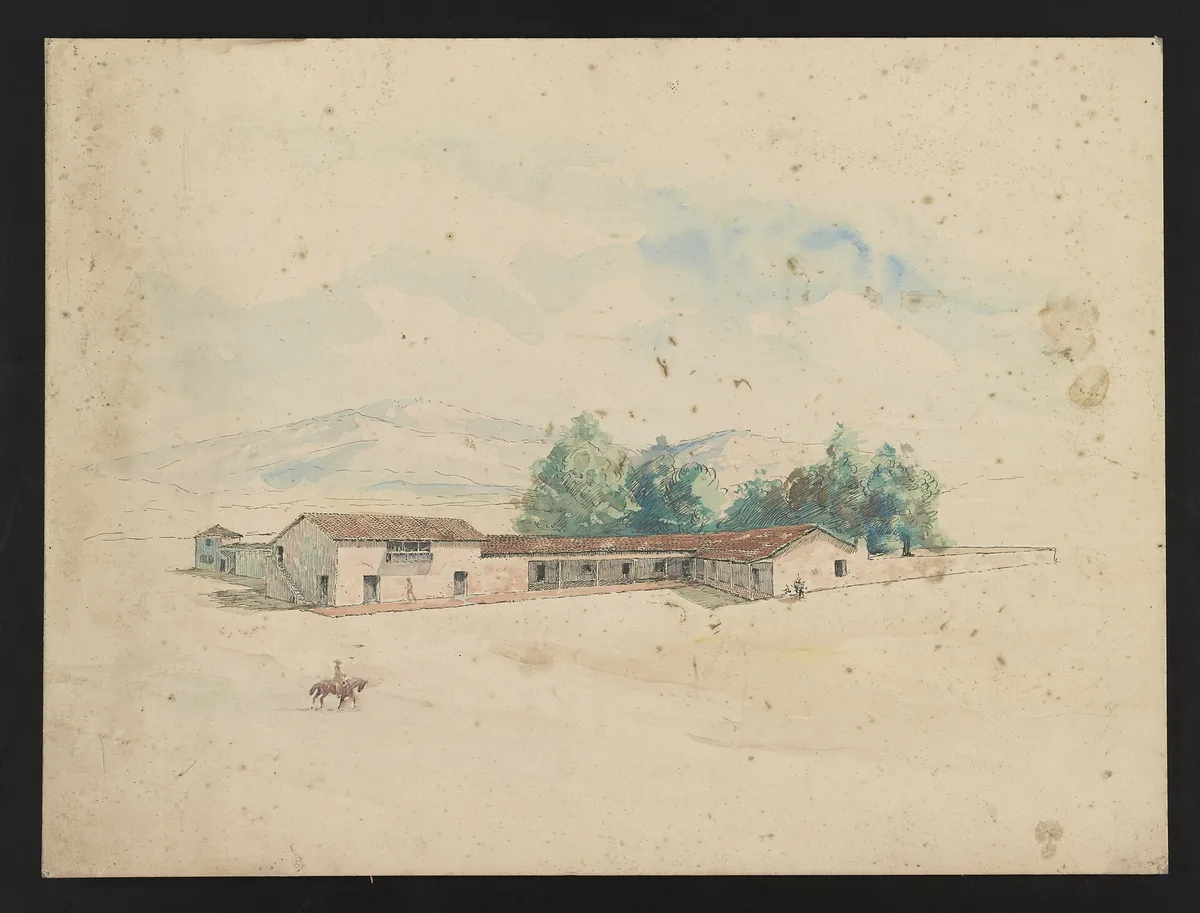
The casita and the converted garage lead the list: detached or structurally separate spaces where extending ducts is impractical and a second full system is absurd - one zone each, perfectly fitted. Next, the problem room: the west-facing master over the garage that no balancing ever cured, given its own head and its own thermostat by design. Then the adobe and flat-roof homes of the old districts, where duct routes do not exist and mini-splits refrigerate without surgery.
Whole-home multi-zone systems round out the fits - several heads on one outdoor unit, each room zoned - and they have become a full alternative to central systems in homes whose ducts failed or never existed. The weak fits are worth naming too: open-plan great rooms with very high ceilings can suit ducted delivery better, and households that hate visible wall units on principle should look at concealed ducted mini-split heads instead of pretending the preference away.
Placement and Drainage: The Design Details
A mini-split head is an air-throw instrument: it delivers a long, gentle arc that must wash the occupied part of the room. Mount it blowing across the room's long axis, away from directly blasting beds and desks, with clearance above for its intake. The head that fits the wall's empty space rather than the room's air pattern is the classic disappointment - installed where it fit, cooling where it points.
Condensate is the second discipline: each head wrings water from monsoon air and must drain it by a sloped line or a pump, routed where a future clog is visible rather than entombed in a wall. Refrigerant lines run insulated through sealed penetrations; the circuit is evacuated to a deep, verified vacuum before charging - the hour of discipline that decides whether the compressor lives twenty years or seven. These details are the installer's signature, and a design walk exposes them before the contract.
PROBLEM
→
SOLUTION
Running Them Well in the Desert
Ownership is light but specific: each head's small washable filters rinse monthly in dust season (they load fast precisely because they filter well), outdoor coils rinse after storms, and zones are set to the household's actual schedule rather than cooling empty rooms at full commitment. Cool the people, not the architecture - the zoning is the efficiency.
Seasonally, the heat-pump nature of the systems carries El Paso winters efficiently, with capacity sized for the cold dawns. And monsoon humidity is handled the refrigerated way - moisture wrung out at the coil - provided the drains were designed as plumbing, not as decoration. Run this way, mini-splits are routinely the most satisfactory comfort their owners have ever had in rooms that were previously given up on.
Winter With Mini-Splits: The Full Picture
Because they are heat pumps, the same heads that cool July heat January - extracting warmth from cold desert air whose afternoons are mild and whose dawns carry the real test. El Paso suits them: capacity sized for the coldest design dawn holds comfort through the season, and the per-room zoning means the casita and the bedrooms are heated to their schedules, not the whole house to one compromise.
The seasonal chores mirror the cooling ones: outdoor coils kept clear (a rinsed coil heats as much better as it cools), filters on the monthly dust rhythm, and one deliberate defrost observation - the brief steam-puffing cycle on cold mornings is normal behavior, and recognizing it saves a service call a winter somewhere in this city every year.
Resale and the Casita Premium
El Paso's housing market prices conditioned auxiliary space honestly: a casita with its own quiet refrigerated zone is a rental, an office, a suite; the same structure with a window unit is storage with ambitions. The mini-split is often the single upgrade that reclassifies the building. Keep the install documentation — loads, equipment, warranty — with the house papers; conditioned square footage sells best when it can be proven.
The same logic applies in miniature to the converted garage and the finished Arizona room: ductless zoning turns found space into counted space. Few home investments in this city pay rent while they pay comfort; this is the one that routinely does both.
Myth vs Fact
The Myth
Mini-splits only make sense for one room at a time.
VS
The Fact
Multi-zone systems serve whole houses from one outdoor unit, each room independently controlled - a configuration that has refrigated entire adobe homes with no ducts at all. The single-room installations are simply where the technology is most visible.
The Related Service, In Depth
The mini-split reframes the comfort question from 'what temperature is the house' to 'what temperature is this room, for these people, now.' That reframing suits how El Paso households actually live - casitas with their own generations, offices in converted garages, bedrooms occupied on different schedules than living rooms. Zoning is not a feature of the technology; it is the technology's thesis.
That is the service side of this guide's subject. When you are ready, the Ductless Mini-Splits page carries the process, the coverage by area and the number to call.
The Process, Step by Step
Walk every candidate room with the designer
Loads computed per room - glass, orientation, occupancy - not estimated from square footage in the driveway.
Fix head positions on paper
Throw direction, intake clearance, drain route and line path drawn per head before equipment is ordered.
Size the outdoor unit for the combination
Including future zones you genuinely intend - diversity math done now, not discovered later.
Verify the install's discipline
Vacuum reading documented, drains water-tested, each zone's throw and temperature proven at handover.
Prevention Checklist
Rinse head filters monthly through dust season - small filters, fast loading.
Keep outdoor unit coils rinsed; the fine fins mat quickly in storms.
Run zones on schedules that match occupancy; empty-room cooling is waste with extra steps.
At the first monsoon, check every head's drain actually drains.
Keep remotes labeled by zone and stored in their rooms.
Book the same spring service rhythm - coils, drains and boards included.
A Field Checklist for Your Own Home
Per-room loads computed
Glass, orientation and occupancy - sized by measurement.
Head positions drawn before ordering
Throw, clearance, drain path and line route per head.
Property managers have quietly become mini-split believers in this market for operational reasons: zoned systems isolate failures (one head down is one room, not one house), service is ground-accessible and fast, and casita and garage stock gains rentable comfort without duct surgery. The tenant-facing dividend - genuinely individual control - reduces comfort complaints, which managers count as carefully as repair invoices.
For the multigenerational households El Paso is full of, zoning solves a diplomacy problem as much as a thermal one: grandparents' warmth, teenagers' cold cave, parents' moderation, each room sovereign. Comfort harmony is an underrated line in the mini-split ledger — households report the thermostat wars ending, which no efficiency rating captures.
How a Professional Works This Problem
Installers of mini-splits judge each other by two artifacts: the vacuum gauge's final number and the condensate line's honest slope. Both are photographable at handover. A company proud of its installs will produce those photographs without being asked twice.
Ask for the vacuum reading and the drain water test to be demonstrated at handover - two minutes that certify the two disciplines this equipment lives or dies by.
The Bottom Line
Mini-splits succeed in El Paso because the city's housing - casitas, adobes, conversions, additions - is a museum of rooms ducted systems cannot elegantly reach. Design each zone on paper, insist on installation discipline, and the quiet white head on the wall becomes the hardest-working diplomat in the house.
Spring dust storms load every part of a home's air system at once: condenser coils mat with grit, filters clog in days, return-side duct leaks inhale attic dust, and indoor air becomes the storm's diluted continuation.
Swamp coolers cool beautifully and cheaply in El Paso's dry months and physically cannot in the monsoon's humid weeks; refrigerated air cools and dehumidifies in all of it, sealed against dust, at a higher running cost. Neither wins the whole year for every household.
Can mini-splits really heat an El Paso home in winter?
Yes - they are heat pumps, and El Paso's winter sits mostly in their efficient band: cold nights, mild days. Sizing accounts for capacity's dip on the coldest dawns, and some homes keep auxiliary or existing furnace backup for the few hardest nights. The folklore that they cannot heat comes from colder climates' extremes, not from this valley's January.
Are mini-splits noisy?
They are the quietest common cooling: indoor heads run at conversation-underneath levels on low, and the inverter outdoor units ramp gently instead of banging on. What noise complaints exist trace to placement - a head over a bed's headboard, a unit on a resonant wall - which is why the design walk treats acoustics as placement criteria.
How do mini-splits compare in cost to a central system?
Per room served, a single zone can cost less than extending a central system properly (ducts included in the comparison); whole-home multi-zone designs land near central territory with zoning as the dividend. The honest comparison includes the duct work the central path needs - in ductless-ready homes the arithmetic often flips expectations.
Can I install one zone now and add more later?
Yes, with foresight: if the outdoor unit is sized at the first install for the intended final zones, later heads join it; if not, later zones bring their own unit. Both paths are legitimate - the design conversation simply needs your real intentions on the table at stage one.
Please note: El Paso Home Services is an independent directory and referral service, not a plumbing or HVAC contractor. The professionals reachable through this site are independent businesses; any agreement for work is between you and the professional you engage. Service information on this site is general educational material - the scope of any real work is set by an on-site inspection.
A Burst Pipe, a Backed-Up Drain or an AC That Quit in July?
One call connects you with a local home-services professional serving El Paso - plumbing and cooling help, matched to your part of the city.