AC Maintenance & Tune-Up Through the El Paso Year
El Paso winters are bright days and freezing nights. The danger hour is the desert dawn, when exposed and under-insulated pipes - hose bibs, garage runs, attic lines, cooler supply lines - reach their coldest. Winter work here is freeze protection and heating: furnaces and heat pumps that sat idle since March get their first real calls on the coldest nights of the year.
Fall is the repair window. The monsoon breaks, the heat lets go, and the weather turns calm and dry - the right weeks to fix what the summer exposed, flush the water heater before the holidays load it, and swap cooler systems over before the first freeze night finds water still sitting in their lines.
Summer is the proving season. Weeks of 100-degree afternoons run air conditioners near-continuously, cold water lines sweat in hot attics, and water heaters work against the highest inlet temperatures of the year. Then the monsoon folds humidity into the heat: refrigerated air must suddenly dehumidify as well as cool, and swamp coolers lose their edge entirely on the humid afternoons.
AC Maintenance & Tune-Up in Depth
Maintenance is the economics of small numbers applied to a machine with big ones. The items on a spring list - a capacitor's microfarads, a coil's cleanliness, a drain's openness - are individually trivial. Their compounding is not: each defers a failure mode priced at fifty times its prevention. Over a fifteen-year system life, the maintained unit and the neglected one are not the same machine at different ages; they are different financial stories entirely.
There is also the matter of proof. In a city where peak-season failure is a household crisis, a dated service record - pressures, temperatures, component values year over year - converts 'it just stopped' into a visible trend caught early. Technicians read those records the way physicians read charts. Keeping them is part of the work, and the company that hands you measured findings unprompted is telling you how it runs the rest of the job.
Choosing the Right Help
Choose maintenance by its checklist, and ask to see it. Coils, charge by measurement, electrical by value, drain treated, switch tested - if an item is missing, the visit is partial whatever it is called. The right provider reports measured findings you can file and compare, season over season.
The Climate Behind It
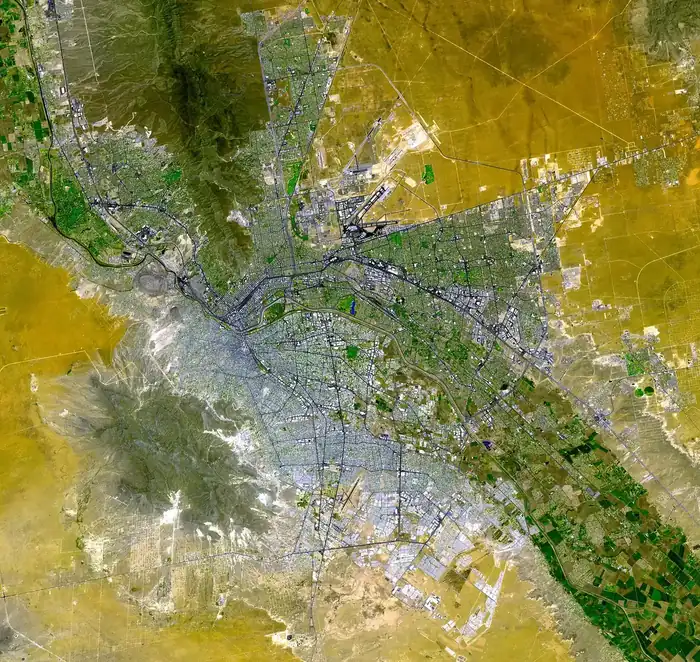
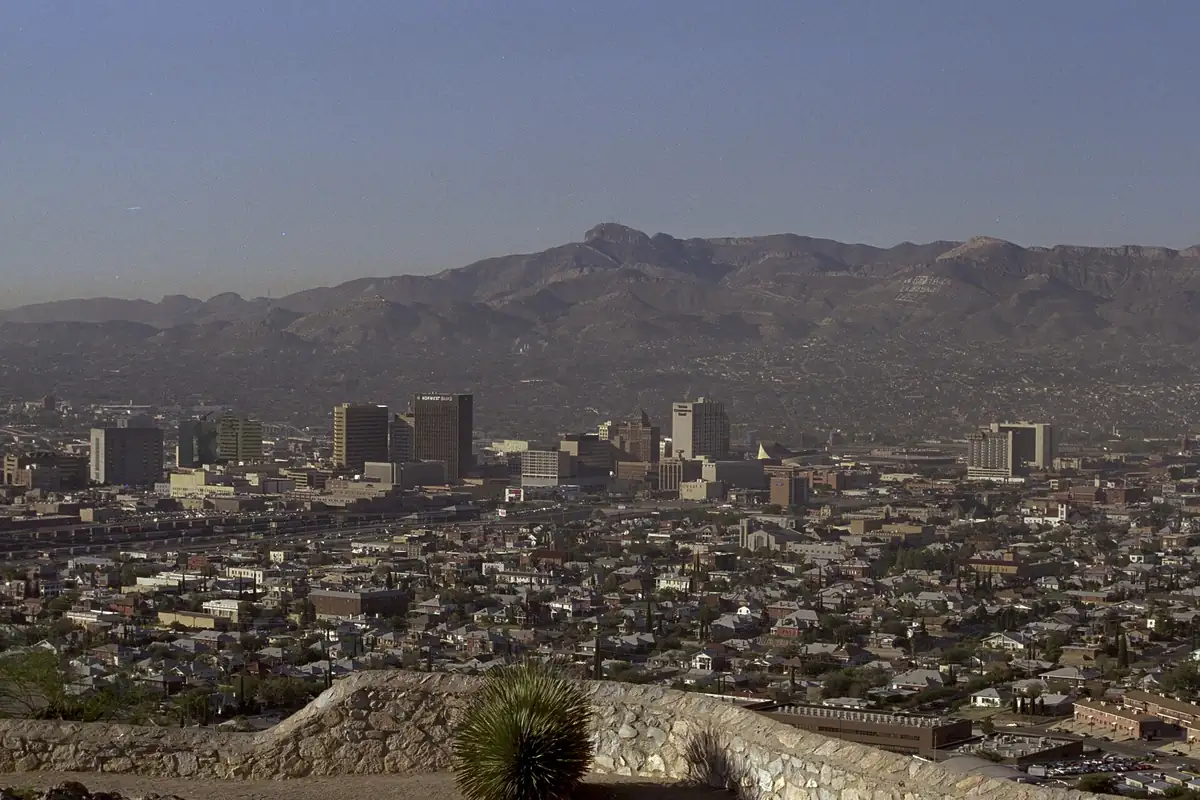
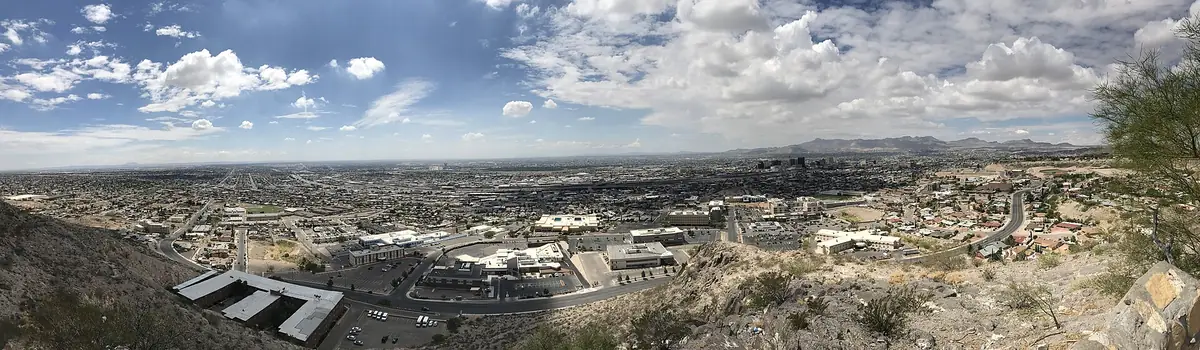
El Paso sits in the Chihuahuan Desert at roughly 3,700 feet, and the desert sets the terms for every pipe and compressor in the city: summer afternoons that pass 100 degrees for weeks, sun that bakes rooftops and outdoor units all day, and air dry enough that evaporative cooling works - most of the year. Home systems here do not age the way they age in humid or mild cities.
The water is the second force. El Paso's supply - drawn from the Rio Grande and the Hueco and Mesilla bolson aquifers - is very hard, loaded with the calcium and magnesium the desert geology hands it. That mineral load scales water heater tanks and elements, crusts faucet aerators and showerheads, spots every fixture, and quietly shortens the life of everything water touches.
How AC Maintenance & Tune-Up Works
Clean what the desert filled
Outdoor coil washed through, indoor coil inspected and cleaned as needed, filters replaced or washed, blower wheel checked - airflow restored to specification.
Measure the refrigeration circuit
Pressures with superheat/subcooling computed, temperature split across the coil verified - the charge is proven right, adjusted or its leak investigated.
Test the electrical consumables
Capacitor values, contactor condition, amp draws and connections - the parts that fail at peak load are graded while the load is low.
Clear and treat the condensate path
Drain flushed, pan inspected, safety switch tested, treatment placed - then you get the findings and the filter rhythm in plain language.
Doing It Yourself vs a Professional
The DIY Route
- A 'tune-up' that skips coil washing in a dust city is a visit, not a maintenance
- Blasting a coil with a pressure washer folds the fins flat and ends the heat transfer it came to save
- Topping refrigerant as routine maintenance masks the leak that the measurement exists to find
VS
The Professional Route
- Cleans coils through, measures charge by superheat/subcooling, tests capacitors by value
- Treats the condensate drain and tests its safety switch every visit
- Reports the system's measured condition - numbers you can compare year to year
Keep It From Coming Back
Maintenance works as a rhythm, not an event. The items below are the homeowner's half of the rhythm between professional visits - the half that decides what the visits find.
- Put the spring visit on the calendar in March - April slots go first.
- Change filters monthly through dust season; they are the system's lungs.
- Rinse the outdoor coil gently after major dust storms.
- Keep two feet of clearance around the outdoor unit - shrubs strangle airflow.
- Pour a cup of vinegar in the condensate drain line each spring.
- Keep the service records; a documented system holds value at sale.