Swamp Coolers in Central
Swamp Coolers for Central homes - local conditions, a clear process, and one call to get it started.
Every swamp coolers call in Central opens the same way: read the system, then read the neighborhood around it.
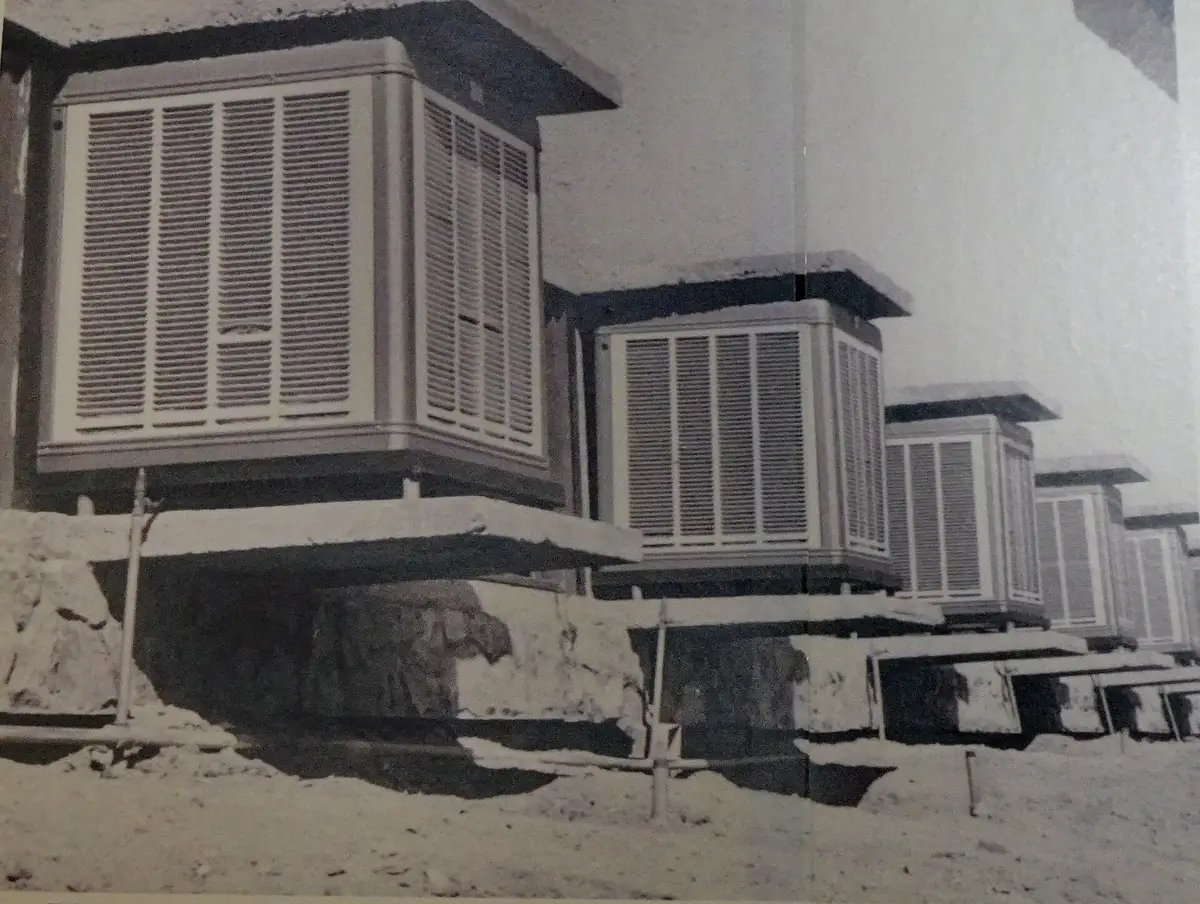
The swamp cooler is El Paso's original air conditioner, and in Central's older neighborhoods it still cools most of the summer honestly: desert air drawn through wet pads, cooled by evaporation, pushed through the house. Its rituals are the city's: the spring changeover, the mid-summer pad check, the fall drain-down before the freeze. Service for a cooler is the art of those rituals done completely.
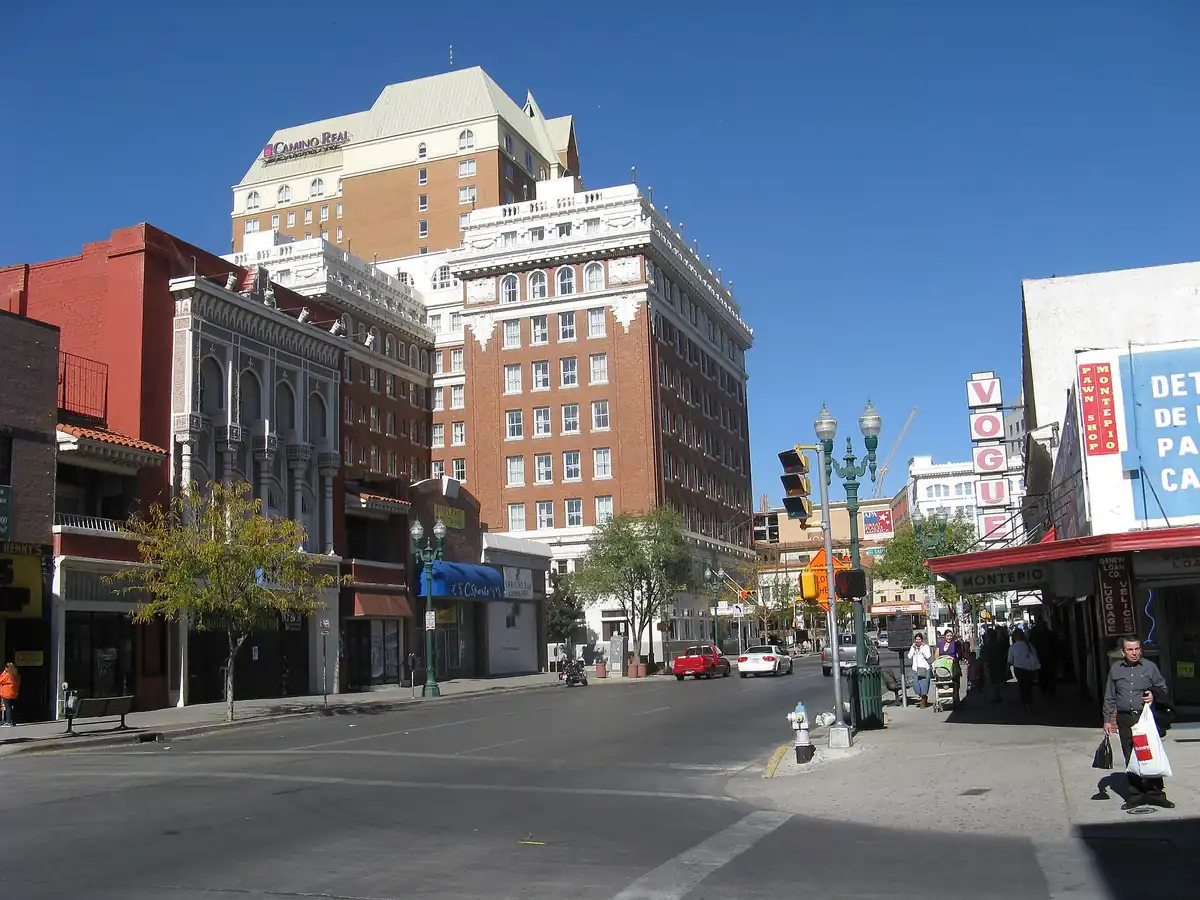
Central El Paso is the old city: downtown, the Sunset Heights and Manhattan Heights historic districts, Kern Place and the blocks around San Jacinto Plaza and the Paso del Norte bridge. Brick homes from the early 1900s stand streets away from mid-century apartment blocks and the university's edge.
No two El Paso neighborhoods age a system the same way. Early-1900s to 1950s homes - brick, adobe and frame - with layered plumbing history: galvanized and cast iron under many floors, additions plumbed in different decades, and cooling split between swamp coolers and retrofitted refrigerated air - and that shapes the work directly. Central is where El Paso's oldest pipes live. For swamp coolers in Central, the spring start-up here decides whether June is comfortable or merely loud.
What the swamp coolers map of Central looks like, drawn honestly, is a set of small clusters: the streets near San Jacinto Plaza and the downtown historic districts with their shared water pressure, the older blocks with their shared pipe generations, the newer homes with their shared shortcuts. Every visit adds a house to the map, and the map is what makes the next visit faster, sharper and cheaper to scope.
Signs Central Homes Need Swamp Coolers
Windows must stay open wider for the same comfort
Evaporative cooling needs exhaust area; but if the required opening keeps growing, the cooler's output is falling - pads, pump delivery or duct losses are the usual three.
Cooling weaker than last summer, same settings
Start with the pads: scaled or settled pads pass air without wetting it, and a partially clogged distribution line wets half the pad.
Musty or swampy smell at startup
Standing pan water and last season's pad biology announce themselves.
Why This Work Runs in Central
Evaporation is a trade: water for cooling. The desert's dry air is thirsty, and a cooler exploits that thirst - but the water left behind by evaporation deposits its minerals in the pads and pan with every gallon. El Paso's water carries an exceptional mineral load, so the deposits accumulate exceptionally fast. The bleed line - the small drain that continuously purges concentrated pan water - is the unsung component that keeps the whole system from picklings itself.
Central is where El Paso's oldest pipes live. Galvanized lines choke down to pencil-width with rust, cast-iron drains crack and offset, and unpermitted-era additions hide odd tie-ins. Slab and crawlspace mixes vary house to house, so diagnosis here is detective work before it is wrench work.
In Central, that plays out street by street - and the fall shutdown, done completely, is what the next spring's start-up is made of. The pattern in Central rewards the homes that service in the off-season; the rest meet the same problem at its seasonal peak.
Winter's other story is hard water meeting cold. Water heaters sediment faster as they fire longer and hotter, elements work harder through their scale coats, and the first freeze night of the year produces the same map of burst pipes in the same exposed places. The homes that winterize in fall - insulation, drained cooler lines, covered hose bibs - watch that map from the outside.
If the system is unusual - a boiler-era relic, a commercial-grade unit, a well or a septic edge case - say so when you book. The inspection adjusts, with different tools and different questions, and it adjusts best before the truck rolls. Details given early are cheap; details discovered on site cost a second visit.
In this part of the valley the season is not background - it is the schedule. Central homes that work a season ahead stay ahead.
Before you call, a five-minute round pays for itself: note where you have seen stains, smells or slow drains, check the outdoor unit for debris, and look at the water heater for rust or rumbling. That list, given on the call, gets the right equipment on the truck.
Ask what surprises Central homeowners most about swamp coolers and it is usually how much of the answer was visible early - in a bill creeping up, a sound changing, a drain slowing by degrees. The desert rarely fails a system without warning; it warns in a dialect of small numbers, and the homes that learn the dialect call earlier and cheaper.
How Swamp Coolers Works in Central
The full step-by-step process for this service - inspection, scope, the work itself and follow-up - is laid out on the main Swamp Coolers page. In Central the same sequence runs with the local map in hand: the water and housing pattern around San Jacinto Plaza and the downtown historic districts, the systems described above, and the exposure this neighborhood actually carries.
The Central Angle
Every neighborhood writes its own version of this work, and Central writes it around San Jacinto Plaza and the downtown historic districts and the blocks that feed into it. Construction here decides the detail map. Early-1900s to 1950s homes - brick, adobe and frame - with layered plumbing history: galvanized and cast iron under many floors, additions plumbed in different decades, and cooling split between swamp coolers and retrofitted refrigerated air.
What the neighborhood installed, aged and patched fills in the rest. Central is where El Paso's oldest pipes live. Galvanized lines choke down to pencil-width with rust, cast-iron drains crack and offset, and unpermitted-era additions hide odd tie-ins. Slab and crawlspace mixes vary house to house, so diagnosis here is detective work before it is wrench work. Done in that order, swamp coolers in Central stops being a recurring surprise and becomes a managed routine.
Central does not sit alone on the map. It shares its water, its heat and its dust with Northeast, Westside and Mission Valley - the same supply runs through the same-era systems, and the same seasons move through all of them within the same few weeks. For homeowners, the useful takeaway is simple: your block's pattern is knowable, and the work follows the pattern.
On the route map, Central sits in the el paso district group, ZIP 79901 - close enough to Northeast, Westside that crews work them on the same runs. Crews working a route learn its systems - the repeat drains, the chronic scale, the coils that mat first - and swamp coolers gets better every run.
Prevention That Helps in Central
- Scrub the pan at changeover; sediment is the pump's grinding compound.
- Keep the bleed line flowing all season; it is the pan's only mineral exit.
- Run the pump-only setting briefly each spring week before full season to wet pads evenly.
Early-1900s to 1950s homes - brick, adobe and frame - with layered plumbing history: galvanized and cast iron under many floors, additions plumbed in different decades, and cooling split between swamp coolers and retrofitted refrigerated air.
Keep Exploring
Swamp Coolers nearby:
- Swamp Coolers in Northeast
- Swamp Coolers in Westside
- Swamp Coolers in Mission Valley
- Swamp Coolers in Lower Valley
More AC & Heating services in Central:
- AC Installation in Central
- Heating & Furnace Repair in Central
- Ductless Mini-Splits in Central
- Ductwork & Airflow in Central
See the full home services page for Central and the Swamp Coolers overview for El Paso.
Swamp Coolers in Central - Questions
Is my cooler in Central worth repairing, or should I convert?
Coolers are simple machines; pumps, pads, motors and floats are all serviceable at modest scope, and a sound cabinet justifies them for years. The conversion case rests on comfort, not mechanics: monsoon weeks, dust and pollen through the pads, and the household's humidity tolerance. Many El Paso homes run both - cooler for the dry months, refrigerated for the monsoon - and the options are laid out honestly at the visit.
What is a cooler changeover in Central, exactly?
The full spring service: winter cover off, pan drained and scrubbed, old pads out and new in, pump and float tested, bleed line cleared, motor belt and bearings checked, water connected and the first wetting run verified. Its fall mirror - the shutdown - drains everything and isolates the water line against the freeze.
How often do cooler pads in Central need changing?
In El Paso's mineral water: aspen pads commonly a season, sometimes two; rigid media longer but with scale cleaning between. The test is the pad's condition at changeover - crusted, settled or channelled pads are replaced, because a dead pad converts the cooler into a fan with a water bill.
A Burst Pipe, a Backed-Up Drain or an AC That Quit in July?
One call connects you with a local home-services professional serving El Paso - plumbing and cooling help, matched to your part of the city.