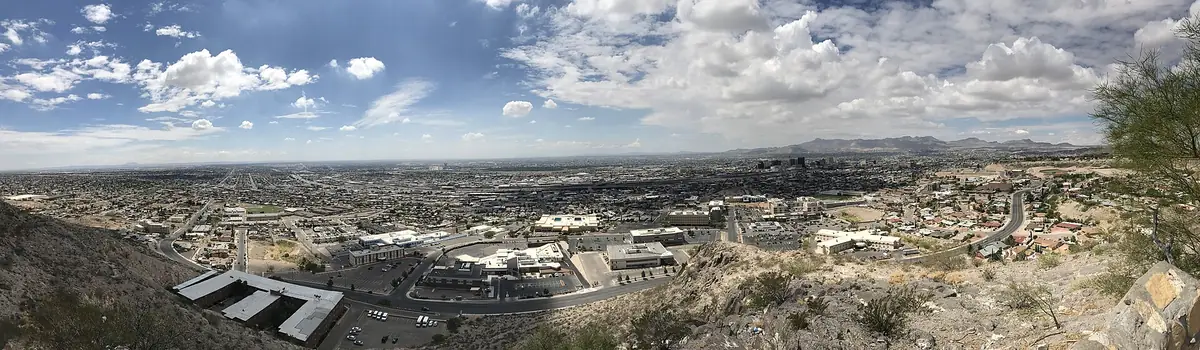
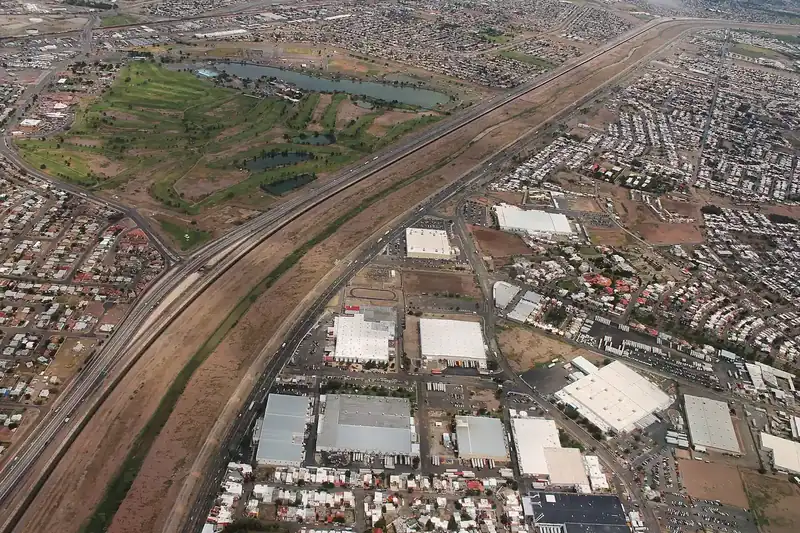
El Paso Plumbing

Repiping in El Paso, TX

Whole-home repiping in El Paso - replacing corroded galvanized and failing poly lines with modern PEX or copper, planned to keep the household running through the work.

Wind and dust run third. Spring is wind season, when dust storms roll off the desert and load every AC condenser coil, cooler pad and filter in the city. Then the monsoon arrives from July into September, humidity climbs, afternoon storms flood arroyos and low streets, and swamp coolers that worked in June suddenly cannot keep up.

And winter has teeth here, whatever the postcards say. Desert nights drop below freezing for stretches every year, and hard cold snaps - El Pasoans still measure them against the February 2011 freeze - burst exposed pipes across whole neighborhoods in a single night. Plumbing and cooling in this city are built, or should be, for all four of those forces at once.

Signs You Need Repiping

Rusty water at the first draw of the day

Overnight, water sits in corroding galvanized pipe and picks up the rust. A brown first glass is the pipe's interior introducing itself.

Pressure that collapses when two fixtures run

Showers that die when a toilet flushes or a hose runs mean the pipe bore has narrowed to a straw - no fixture can fix a restriction inside the wall.

Repeated pinhole leaks in the same era of pipe

One pinhole is an event. Three in two years is a material at end-of-life, announcing that the rest of its length is in the same condition.

Visible corrosion, flaking or damp at exposed runs

What you can see in the laundry or water heater closet is the honest sample of what is inside every wall.

Gray plastic pipe with metal bands (polybutylene)

The 1980s-90s gray pipe is a known failure class - it degrades from the inside in chlorinated water and lets go without warning.

A remodel planned over old lines

Burying end-stage pipe behind new tile and cabinets is the most expensive order of operations there is. Repipe first, remodel second.

Why Repiping Is a Standing Job in El Paso

Galvanized steel was the mid-century standard, and it fails by design: the zinc coating sacrifices itself over decades, then the steel beneath rusts, and the rust builds inward until a 3/4-inch line carries water like a drinking straw. El Paso's mineral water accelerates the scaling side of that process. The symptoms arrive as a set - rust, pressure loss, pinholes - because the whole system installed the same year ages the same year.

The second local candidate is polybutylene, the gray flexible pipe installed across 1980s and early-90s subdivisions. It degrades from the inside out under chlorinated water, often looking fine at the fittings while the pipe wall weakens. Insurers and buyers both know the material by name; homes still running it carry a known, datable risk.

The replacement choice is usually PEX or copper. PEX routes flexibly, resists scale and freeze-expansion better, and needs few joints inside walls - fewer joints, fewer future leaks. Copper is the traditional premium answer with its own long record. Either way, a repipe also replaces the shutoffs and supplies at every fixture, so the whole system starts the same new clock.

Repiping Through the El Paso Year

El Paso winters are bright days and freezing nights. The danger hour is the desert dawn, when exposed and under-insulated pipes - hose bibs, garage runs, attic lines, cooler supply lines - reach their coldest. Winter work here is freeze protection and heating: furnaces and heat pumps that sat idle since March get their first real calls on the coldest nights of the year.

Summer is the proving season. Weeks of 100-degree afternoons run air conditioners near-continuously, cold water lines sweat in hot attics, and water heaters work against the highest inlet temperatures of the year. Then the monsoon folds humidity into the heat: refrigerated air must suddenly dehumidify as well as cool, and swamp coolers lose their edge entirely on the humid afternoons.

Fall is the repair window. The monsoon breaks, the heat lets go, and the weather turns calm and dry - the right weeks to fix what the summer exposed, flush the water heater before the holidays load it, and swap cooler systems over before the first freeze night finds water still sitting in their lines.

Repiping in Depth

A repipe is a decision about time. Every pipe material carries a service-life range, and a house whose lines are at the range's end will spend the coming decade either replacing the system once, on a schedule, or repairing it repeatedly, on the failures' schedule - at night, on holidays, with water damage in the invoice. The repipe's real product is not new pipe; it is the decade's terms, chosen instead of suffered.

The material science underneath is unsentimental: galvanized corrodes from its own chemistry, polybutylene degrades from the water's, copper thins where the minerals work it. None of them respond to hope. What the repipe buys - full-bore flow, clean first draws, pressure that survives two open fixtures - is simply the system's youth, restored in days. Homeowners consistently report the same surprise: they had forgotten what their water pressure was supposed to be.

Choosing the Right Help

Choose the repiping contractor by their plan for your household's week: routing, water restoration each evening, patching, pressure testing and documentation. Ask which materials they install and why for your water, and whether partial scopes were considered. A repipe is a construction project inside a lived-in home; the plan is the professionalism.

The Climate Behind It

El Paso sits in the Chihuahuan Desert at roughly 3,700 feet, and the desert sets the terms for every pipe and compressor in the city: summer afternoons that pass 100 degrees for weeks, sun that bakes rooftops and outdoor units all day, and air dry enough that evaporative cooling works - most of the year. Home systems here do not age the way they age in humid or mild cities.

The water is the second force. El Paso's supply - drawn from the Rio Grande and the Hueco and Mesilla bolson aquifers - is very hard, loaded with the calcium and magnesium the desert geology hands it. That mineral load scales water heater tanks and elements, crusts faucet aerators and showerheads, spots every fixture, and quietly shortens the life of everything water touches.

How Repiping Works

Assess the system's true condition

Pressure tests, a look at every exposed run, and the leak history - the scope is set by evidence: full repipe, or the partial that actually solves it.

Plan the routing and the household's week

Attic and wall routes are mapped, water shutoff windows scheduled, and the sequence set so the home keeps water every evening.

Run the new system

New lines to every fixture, new shutoffs and supplies, pressure tested before walls close - typically days, not weeks, for a standard home.

Patch, test and hand over

Openings are patched ready for paint, the system is flushed and pressure-verified, and you get the map of what went where.

Doing It Yourself vs a Professional

The DIY Route

  • Replacing the one leaking section of galvanized leaves the rest of the straw-bore system in the walls
  • Mixing new pipe into corroded systems creates the next failure at the junction
  • A repipe without pressure testing before closing walls is a leak with a head start
VS

The Professional Route

  • Scopes from evidence - and will say when a partial repipe honestly solves it
  • Routes PEX through attics and minimal openings; water back on each evening
  • Replaces every shutoff and supply as part of the system, all pressure-tested before patching

Keep It From Coming Back

After a repipe, prevention changes address: the new system needs protection from the same water that killed the old one. These habits are how a new system's youth is kept.

  • After repiping, the prevention is simple: keep the water heater flushed so scale stays out of new lines.
  • Know your pipe material before buying an older home - it is a budget item, not a surprise.
  • If pressure fades year by year, test early; repipes planned calmly cost less than repipes forced by a burst.
  • Document the repipe for the home's file - buyers and insurers both value it.
  • Insulate the new attic runs as they go in - freeze protection is least costly during the job.
  • Replace washing-machine hoses and fixture supplies on the same new clock.
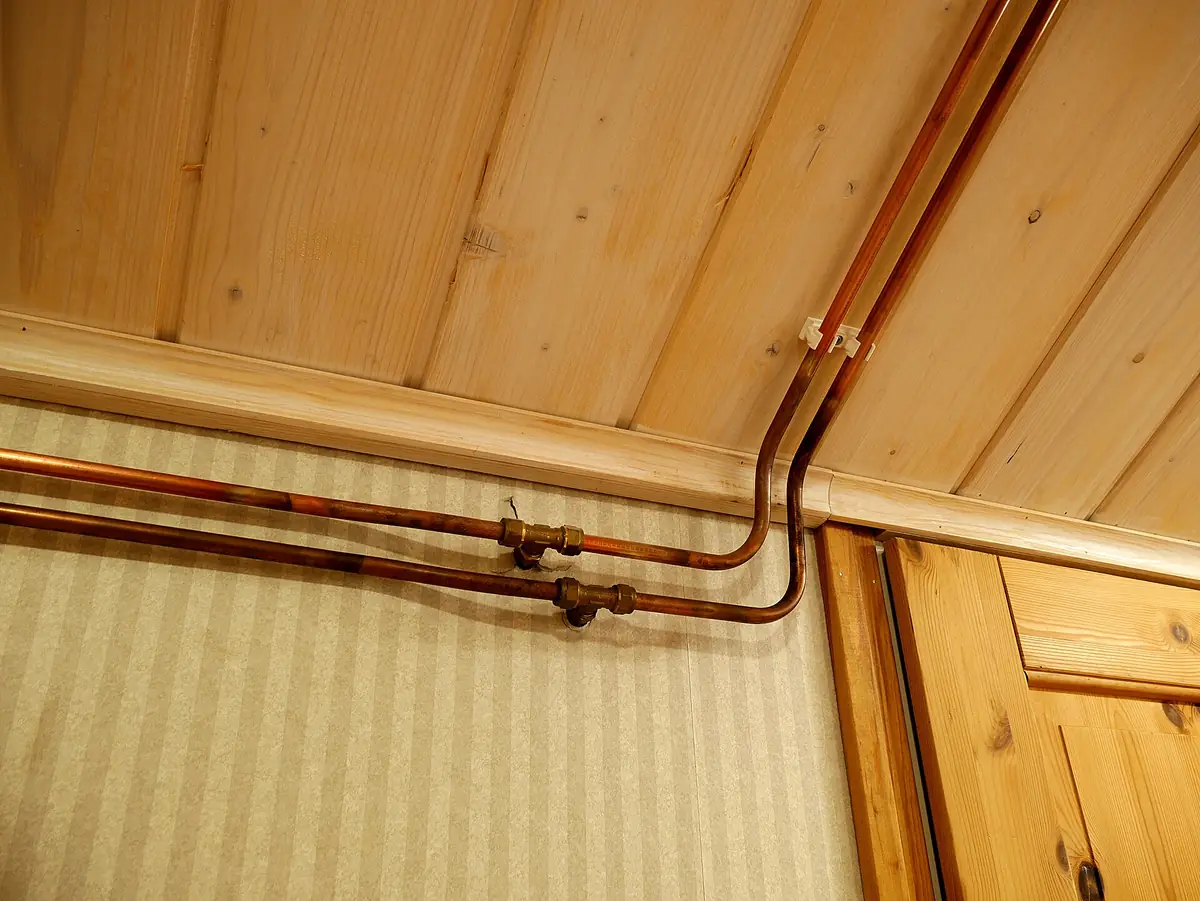
Repiping in the Valley Communities

The communities around El Paso share its heat and its water - with their own twists of wells, septic systems, altitude and age.

Repiping in Sunland Park

Sunland Park is the New Mexico city pressed against El Paso's west flank - home to the Sunland Park Racetrack and Casino, neighborhoods under Mount Cristo Rey, and streets that cross the state line without changing their character. Its residents shop, work and live on both sides of the line.

Repiping in Fort Bliss Area

The Fort Bliss area wraps around one of the Army's largest installations - the neighborhoods off-post along US-54 and Airport Road where soldiers and their families rent and buy, plus the commercial strips that serve the post. Turnover is a way of life here; rental properties cycle tenants every few years.

Repiping in Anthony

Anthony straddles the Texas-New Mexico line at the top of the Upper Valley - a small farming town of orchards, dairies and quiet streets where the state line runs down the middle of town. It is the valley's rural bookend, twenty minutes and a world away from downtown El Paso.

Repiping in Fabens

Fabens is the valley's downriver farming town - cotton and chile fields along the Rio Grande, a main street of older storefronts, and neighborhoods where families have farmed the same valley floor for generations. It is the last El Paso County community before the river road heads toward Tornillo.

Where Repiping Is Needed Most

On the east side and up against the mountain - Eastside, Far East El Paso, Westside and Northeast, Central - the housing runs from fast-built subdivisions to base-adjacent rentals, and repiping follows the construction: new systems aging in hard water at record pace, warranty-era fittings reaching their first failures together, and summer loads that test every installation shortcut.

Across the center, the west and the valleys - Upper Valley, Lower Valley, Mission Valley and Horizon City, Socorro, Canutillo - sit the city's oldest homes, its historic districts and its foothills customs, which together make this the steadiest repiping territory in the city.

Beyond the city line, the same work runs in Sunland Park, Fort Bliss Area, Anthony, Fabens - mission towns, desert subdivisions and valley communities where wells, septic systems and long service runs add their own chapters. Every one of these area pages carries the local detail for repiping in that community.

Coverage, In Full

Repiping runs across the whole service map: the Eastside and Far East El Paso; the Westside and the Upper Valley; the Northeast and the Fort Bliss area; Central El Paso and Downtown; the Lower Valley and Mission Valley; and beyond the city in Horizon City, Socorro, Canutillo, Sunland Park, Anthony and Fabens. One call covers all of it - the local pages above carry the detail for each. If your street is not named here, call anyway: routes grow with demand, and most El Paso addresses are already within reach of a scheduled run.

From the El Paso Home Guides

Freeze Protection for El Paso Pipes: The Desert Cold-Snap Playbook

El Paso's clear desert nights drop below freezing in fast, deep swings, and the pipes that burst are predictable: hose bibs, garage and laundry runs on outside walls, attic lines, and undrained swamp cooler supply lines - the 2011 freeze wrote the lesson citywide. Prevention is a fall hour: insulate the exposed runs, drain the cooler line, cover the bibs, learn the shutoff, and drip-and-open-cabinets on the hardest nights. Every item targets a line the cold reaches first.

Read the Guide

How Long Does a Water Heater Last in El Paso?

In El Paso water, an unmaintained tank water heater commonly dies years ahead of its national reputation; a flushed tank with its anode rod renewed runs years longer. The maintenance, not the brand, is the main lifespan variable in this city. Sediment and anode depletion are the killers. A yearly flush removes the first; a rod check around year three catches the second. Together they move a heater from the short end of the range to the long end.

Read the Guide

Slab Leaks in El Paso: Signs, Causes and the Repair Options Explained

Most El Paso homes sit on concrete slabs with water lines beneath them, on soils that move and with water that corrodes - so slab leaks are a known local failure with known signs: warm floors, a running meter, a doubling water bill. Pinpoint acoustic detection comes first; then the fix is chosen from the system's age and the leak's company: a spot repair for the isolated failure, a reroute for the tired line, a repipe for the pattern.

Read the Guide

Repiping Questions

How do I know my El Paso home has galvanized pipes?

Homes built before roughly 1970 in the older districts - Central, Northeast, the valley towns - are the usual carriers. Exposed runs look dull gray and attract a magnet (galvanized is steel); threads and rust at joints are telltales, and scratching a hidden spot reveals bright zinc on sound sections. A plumber can confirm in minutes.

Is polybutylene really that bad?

Its failure mode is the problem: it weakens from the inside, so it looks sound until it splits, and it does so on its own schedule rather than at a convenient leak. It was the subject of national class-action litigation for a reason. Homes with it get repiped on a plan rather than after a flood.

Does repiping require permits in El Paso?

A whole-home repipe is permitted work in El Paso, and the inspection verifies the new system before walls close. The paperwork is part of a professional job - and part of the documentation that makes the repipe valuable at resale.

What affects the cost of repiping in El Paso?

The home's size and story count, the number of fixtures, the routing access (open attic versus finished ceilings), the material chosen, and how much patching the routes require. A one-story ranch and a two-story with three baths are different scopes - the assessment visit produces the honest number.

How long does a repipe take in a El Paso home?

Most single-story homes finish in two to three days of work, with water restored each evening; larger or two-story homes run longer. The planning visit sets the actual schedule - routing through an accessible attic is fast work; plaster walls and additions add their own steps.

Should I choose PEX or copper for my El Paso repipe?

Both are proven. PEX is the common El Paso choice for its flexibility, scale resistance, fewer in-wall joints and tolerance of the occasional freeze swell. Copper costs more and carries the traditional track record. The deciding factors are usually the home's layout, water chemistry plans and budget - the installer should lay out both honestly.

Do I need to move out during a repipe in El Paso?

Almost never. Water is off during work hours and restored by evening, and the work is zoned so most of the house stays usable. Households with infants or medical needs sometimes prefer a night away on the main changeover day - that is a comfort choice, not a requirement.

Will a repipe fix my low water pressure in El Paso?

If the restriction is the pipe - the usual galvanized story - yes, dramatically: full-bore new lines restore the pressure the street delivers. If the restriction is at the street supply or a pressure regulator, that is a different fix, and the assessment separates the two before any scope is sold.

Please note: El Paso Home Services is an independent directory and referral service, not a plumbing or HVAC contractor. The professionals reachable through this site are independent businesses; any agreement for work is between you and the professional you engage. Service information on this site is general educational material - the scope of any real work is set by an on-site inspection.

A Burst Pipe, a Backed-Up Drain or an AC That Quit in July?

One call connects you with a local home-services professional serving El Paso - plumbing and cooling help, matched to your part of the city.

📞 Call Now