Slab Leak Repair in Westside
Slab Leak Repair for Westside homes - local conditions, a clear process, and one call to get it started.
slab leak repair in Westside is a neighborhood trade: same water as everywhere in the valley, different soil, different systems, different season.
A slab leak in Westside is a leak with an architecture problem: the pipe is under four inches of concrete and your finished floor. Everything about the job is therefore strategy - find it precisely, then choose the repair path that fixes it with the least destruction: a spot opening at the mark, a reroute through the attic, or the repipe the system's age has been asking for.
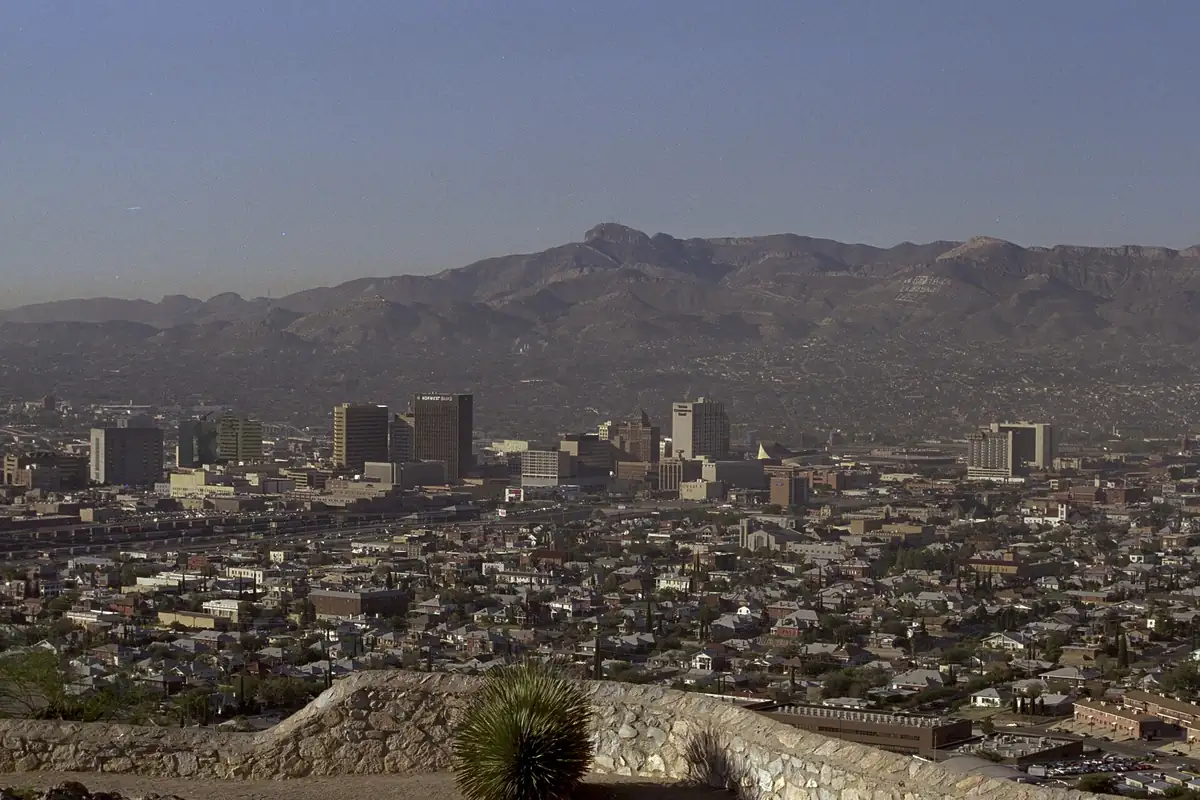
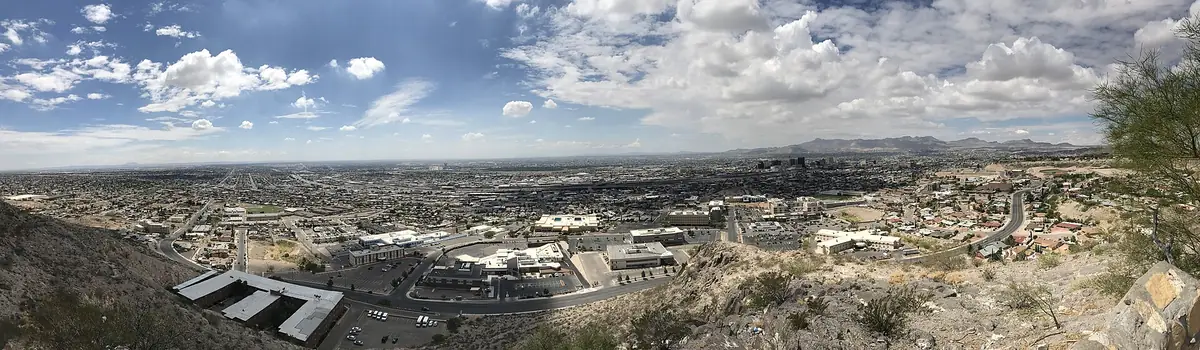
The Westside climbs from the Rio Grande toward the Franklin Mountains between downtown and the New Mexico line - Coronado, the Country Club area's edges, and the retail spine of Sunland Park Mall and Mesa Street. It mixes some of the city's most established neighborhoods with steady infill and hillside custom homes.
Local conditions shape the work here. 1960s-1990s brick and stucco homes, hillside customs with terraced lots, and older properties with mature shade trees; cooling is a mix of older swamp coolers and converted refrigerated air - and that shapes the work directly. Mature trees are the Westside plumbing theme: roots find the joints of older clay and cast-iron sewer laterals, and hillside lots put real pressure differentials on supply lines. For slab leak repair in Westside, locating before opening here is the difference between one hole and a demolition tour.
The drive into Westside tells the technician half the story before the tools come out: the era of the rooftops (coolers or condensers), the state of the yards, the trees leaning over the sewer lines. By the time the slab leak repair inspection starts near Sunland Park Mall and the Coronado hills, the questions are already specific - and specific questions are what separate a scope from a guess.
Signs Westside Homes Need Slab Leak Repair
Mold or mildew smell that cleaning cannot reach
Moisture trapped under flooring and in wall bases feeds growth out of sight.
Cracks appearing in tile or slab edges
Persistent leaks wash fines from the soil under the slab.
A sudden water bill jump with no explanation
Slab leaks run treated water into the ground day and night.
Why This Work Runs in Westside
Copper under slabs fails here by two main routes. The first is corrosion from the water side: El Paso's mineral water, hot and under pressure, works the pipe's interior until a pinhole opens - often at the hot-water runs, which is why so many slab leaks announce as warm floors. The second is mechanical: soil movement and slab settling bend and stress lines at joints and entries until one lets go.
Mature trees are the Westside plumbing theme: roots find the joints of older clay and cast-iron sewer laterals, and hillside lots put real pressure differentials on supply lines. Swamp-cooler conversions are a standing project here, and cooler pads and pumps on the remaining evaporative systems need their seasonal changeovers.
In Westside, that plays out street by street - and the routed repair leaves the slab stronger than the exploratory hole would have. The Westside file, in one line: know the water, know the load, and the work list shortens itself.
Spring's second act is dust in the machinery. Coils matted with desert dust cannot shed heat, filters load in weeks instead of months, and cooler pads crust with mineral and grit together. Homes that get a spring clean-out and inspection start the hot season ahead of the curve; homes that skip it start the hot season with systems already working uphill.
If the system is unusual - a boiler-era relic, a commercial-grade unit, a well or a septic edge case - say so when you book. The inspection adjusts, with different tools and different questions, and it adjusts best before the truck rolls. Details given early are cheap; details discovered on site cost a second visit.
Around Sunland Park Mall and the Coronado hills, the season shows up early: exposed blocks and older systems run a few weeks ahead of the sheltered ones.
Write down the pattern before you call: when it started, where it shows, what the weather and the water were doing - a symptom's timing against the season is half the diagnosis in Westside as everywhere.
Technicians keep a mental file on Westside streets: which blocks share a builder, which share a water-pressure quirk, which share an installer from the boom years. slab leak repair benefits from that file more than from any single tool - the second visit on a street is always smarter than the first, and routes that repeat neighborhoods compound the advantage.
How Slab Leak Repair Works in Westside
The full step-by-step process for this service - inspection, scope, the work itself and follow-up - is laid out on the main Slab Leak Repair page. In Westside the same sequence runs with the local map in hand: the water and housing pattern around Sunland Park Mall and the Coronado hills, the systems described above, and the exposure this neighborhood actually carries.
The Westside Angle
Start with the map of Westside: the streets around Sunland Park Mall and the Coronado hills set the daily pattern - water, soil, sun and dust in the same few blocks. Housing here tells the technician where to look first. 1960s-1990s brick and stucco homes, hillside customs with terraced lots, and older properties with mature shade trees; cooling is a mix of older swamp coolers and converted refrigerated air.
What the neighborhood installed, aged and patched fills in the rest. Mature trees are the Westside plumbing theme: roots find the joints of older clay and cast-iron sewer laterals, and hillside lots put real pressure differentials on supply lines. Swamp-cooler conversions are a standing project here, and cooler pads and pumps on the remaining evaporative systems need their seasonal changeovers. So the slab leak repair visit here is built from the block outward: evidence first, the water and the load second, work matched to both.
Westside does not sit alone on the map. It shares its water, its heat and its dust with Upper Valley, Central and Sunland Park - the same supply runs through the same-era systems, and the same seasons move through all of them within the same few weeks. Homes on these blocks share crews, routes and seasons - which is why a system solved properly on one street tends to stay solved.
On the route map, Westside sits in the el paso district group, ZIP 79912 - close enough to Upper Valley, Central that crews work them on the same runs. Crews working a route learn its systems - the repeat drains, the chronic scale, the coils that mat first - and slab leak repair gets better every run.
Prevention That Helps in Westside
- After the first slab leak, ask the pattern question - one leak is an event, two are a system.
- Soften water where copper corrosion is the established cause.
- Keep flooring photos when you remodel - they document what is under the slab for the next search.
1960s-1990s brick and stucco homes, hillside customs with terraced lots, and older properties with mature shade trees; cooling is a mix of older swamp coolers and converted refrigerated air.
Keep Exploring
Slab Leak Repair nearby:
- Slab Leak Repair in Upper Valley
- Slab Leak Repair in Central
- Slab Leak Repair in Sunland Park
- Slab Leak Repair in Canutillo
More Plumbing services in Westside:
- Water Softeners & Filtration in Westside
- Garbage Disposal Repair in Westside
- Repiping in Westside
- Water Heater Repair in Westside
See the full home services page for Westside and the Slab Leak Repair overview for El Paso.
Slab Leak Repair in Westside - Questions
How long does slab leak repair take in Westside?
Detection is typically a few hours. A spot repair or single-run reroute is usually a day or two of work including floor patching to paint-ready. A full repipe runs longer but is a different decision - made from the pattern, not from the pressure of one wet floor.
How is a slab leak in Westside repaired without tearing up the whole floor?
Precision is the method: detection marks the leak's location, and the opening is made there - often a single tile's worth of slab. When the better answer is a reroute, no slab is opened at all: the leaking run is abandoned in place and a new line is routed through the attic or walls to the same fixtures.
Spot repair, reroute or repipe - how is that decided in Westside?
By the system's age and the leak's company. A first leak on a young copper system with a clear mechanical cause suits a spot repair. A leak on a line with corrosion signs, or a second leak on the same system, argues for rerouting that run. Leaks arriving as a pattern across the house argue for the repipe conversation. The detection evidence drives the recommendation.
A Burst Pipe, a Backed-Up Drain or an AC That Quit in July?
One call connects you with a local home-services professional serving El Paso - plumbing and cooling help, matched to your part of the city.