El Paso Plumbing

Water Softeners & Filtration in El Paso, TX

Water softeners and filtration in El Paso - sized and set for some of the hardest municipal water in Texas - protecting heaters, fixtures and every seal in the house.

Wind and dust run third. Spring is wind season, when dust storms roll off the desert and load every AC condenser coil, cooler pad and filter in the city. Then the monsoon arrives from July into September, humidity climbs, afternoon storms flood arroyos and low streets, and swamp coolers that worked in June suddenly cannot keep up.

And winter has teeth here, whatever the postcards say. Desert nights drop below freezing for stretches every year, and hard cold snaps - El Pasoans still measure them against the February 2011 freeze - burst exposed pipes across whole neighborhoods in a single night. Plumbing and cooling in this city are built, or should be, for all four of those forces at once.

Signs You Need Water Softeners & Filtration

White scale crusting every fixture and showerhead

When the crust returns within weeks of cleaning at every outlet in the house, the water is the diagnosis - fixture-by-fixture cleaning is a treadmill.

Water heaters and appliances dying young

Heaters full of sediment, dishwasher elements coated, washing machine valves stiff - the appliance graveyard is hard water's most expensive signature.

Soap that will not lather, laundry that grays

Hardness minerals consume soap before it can clean. The detergent aisle is where many households first pay for their water quality.

Dry, itchy skin and dull hair after showers

Mineral film on skin and hair is the body's own hardness test - the complaint that most often starts the softener conversation in this city.

Spots welded onto glass and dishes

Evaporated droplets leave their minerals behind; on shower glass they etch semi-permanently. New glass in a hard-water house starts filming the first week.

Plumbing parts wearing on a fast clock

Flappers, cartridges, fill valves and angle stops all failing young across the house - a systemic wear pattern with a systemic cause.

Why Water Softeners & Filtration Is a Standing Job in El Paso

El Paso's hardness comes from its geology: water drawn from desert aquifers and the Rio Grande carries calcium and magnesium picked up from limestone and gypsum formations - the same minerals that built the white crusts on the region's canyon walls. It arrives at the tap ready to precipitate the moment it is heated or evaporated, which is to say at every water heater and every drying droplet in the house.

A true softener removes those minerals by ion exchange: water passes through resin that trades calcium and magnesium for sodium, and the resin is regenerated with salt on a metered schedule. Conditioners take the other path - they crystallize the minerals so they do not stick, leaving the chemistry but changing the behavior. The difference matters where scale is already severe: removal stops accumulation outright; conditioning stops adhesion.

Sizing is the craft. A softener is chosen by the household's daily water volume and the water's measured hardness - undersized, it regenerates wastefully and runs out on peak days; oversized, it sits stagnant. El Paso's hardness is high enough that the sizing math here starts from a real hardness test, not a regional guess, and placement - main line, with the water heater and all fixtures downstream - decides whether the protection is whole-house or partial.

Water Softeners & Filtration Through the El Paso Year

Summer is the proving season. Weeks of 100-degree afternoons run air conditioners near-continuously, cold water lines sweat in hot attics, and water heaters work against the highest inlet temperatures of the year. Then the monsoon folds humidity into the heat: refrigerated air must suddenly dehumidify as well as cool, and swamp coolers lose their edge entirely on the humid afternoons.

El Paso winters are bright days and freezing nights. The danger hour is the desert dawn, when exposed and under-insulated pipes - hose bibs, garage runs, attic lines, cooler supply lines - reach their coldest. Winter work here is freeze protection and heating: furnaces and heat pumps that sat idle since March get their first real calls on the coldest nights of the year.

Fall is the repair window. The monsoon breaks, the heat lets go, and the weather turns calm and dry - the right weeks to fix what the summer exposed, flush the water heater before the holidays load it, and swap cooler systems over before the first freeze night finds water still sitting in their lines.

Water Softeners & Filtration in Depth

Softening is the only plumbing service whose patient is the water itself. Every other call treats a symptom in a fixture or a line; this one changes the chemistry that writes all the symptoms. That upstream position is what makes its effects feel disproportionate: heaters stop accumulating, fixtures stop crusting, soaps wake up, and the parts-replacement rhythm of the whole house slows at once.

The technology choice - exchange softening versus salt-free conditioning versus filtration - is really a goals question wearing equipment clothes. Removal versus behavior change versus taste: each delivers a different water, and the honest consultation establishes which water the household actually misses. Sizing follows from a measured hardness and a counted household; in a city with this much mineral in the supply, guessing either number is how systems disappoint.

Choosing the Right Help

Choose the provider who tests before sizing and explains the technologies against your goals without a favorite to push. The hardness number, the sizing math and the placement plan should all be shown. Water treatment is a decade-long relationship with a chemistry set; the consultation's honesty is the product's first component.

The Climate Behind It

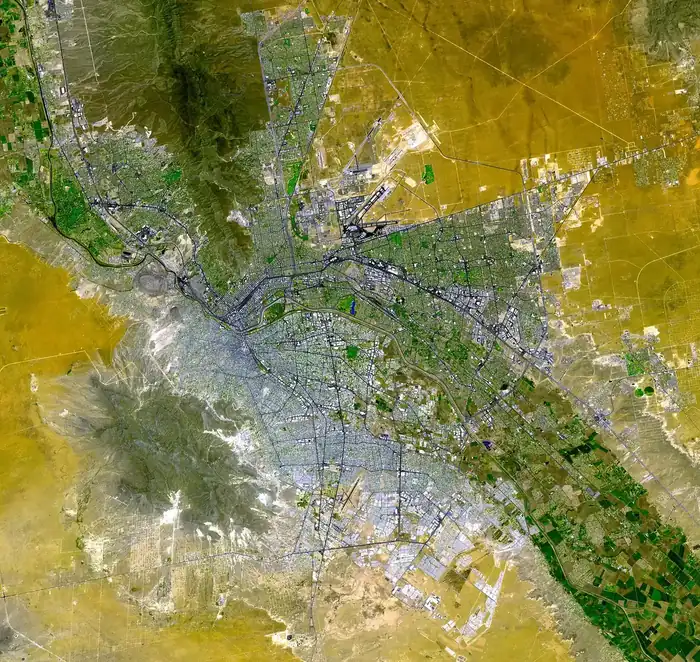
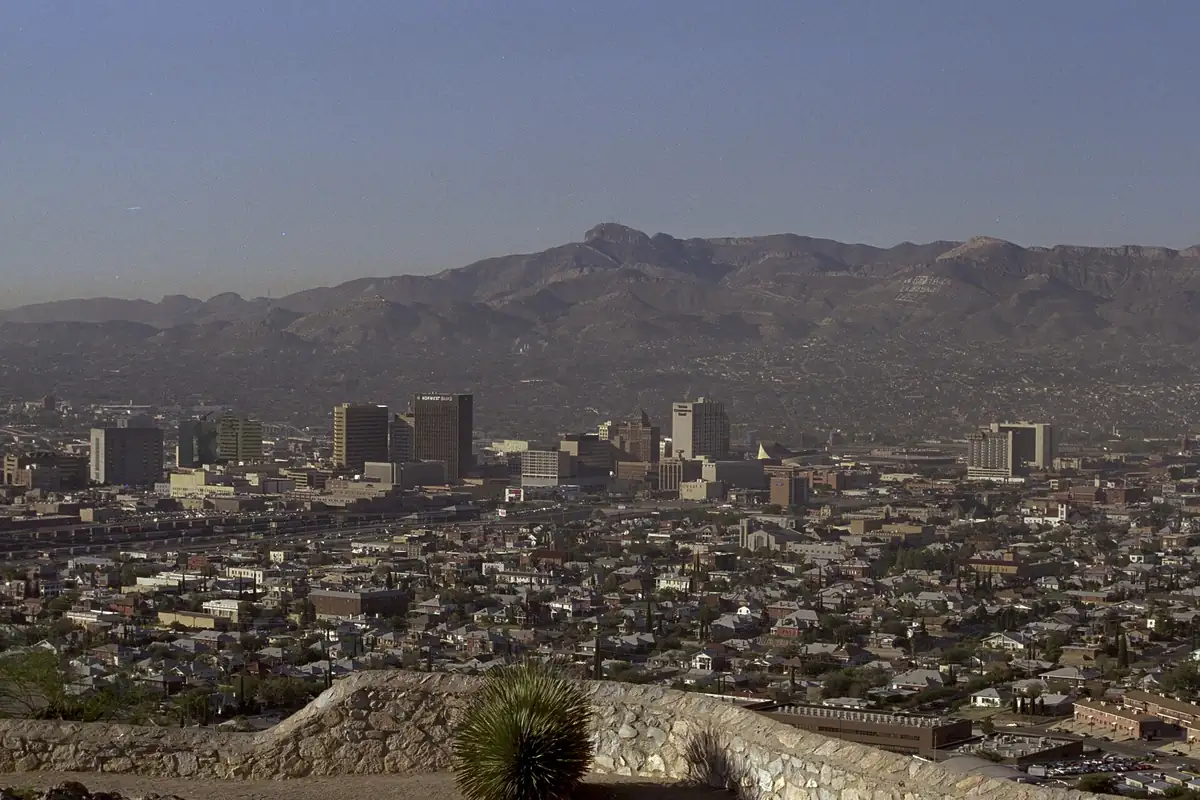
El Paso sits in the Chihuahuan Desert at roughly 3,700 feet, and the desert sets the terms for every pipe and compressor in the city: summer afternoons that pass 100 degrees for weeks, sun that bakes rooftops and outdoor units all day, and air dry enough that evaporative cooling works - most of the year. Home systems here do not age the way they age in humid or mild cities.

The water is the second force. El Paso's supply - drawn from the Rio Grande and the Hueco and Mesilla bolson aquifers - is very hard, loaded with the calcium and magnesium the desert geology hands it. That mineral load scales water heater tanks and elements, crusts faucet aerators and showerheads, spots every fixture, and quietly shortens the life of everything water touches.

How Water Softeners & Filtration Works

Test the water first

Hardness is measured, not assumed - grains per gallon at your tap, plus a look at chlorine and sediment, sets the system's size and type.

Match the technology to the goal

Softening for full mineral removal, conditioning for scale behavior, filtration for taste and sediment - the honest fit for what you want fixed, stated plainly.

Size and place for the whole house

Capacity from your household's real usage; placement on the main with hose bibs and irrigation sensibly split off, drain and power confirmed.

Set up, regenerate and hand over

The system is programmed for your hardness and usage, the first regeneration run, and the salt and maintenance rhythm explained in minutes, not manuals.

Doing It Yourself vs a Professional

The DIY Route

  • Installing an undersized softener from a shelf ensures peak-day hard water and constant regeneration
  • Softening only the hot side leaves cold-side fixtures, toilets and fill valves in the mineral war
  • Salt-free conditioners sold as 'removing' hardness mislead - they change scale behavior, they do not soften
VS

The Professional Route

  • Tests your actual hardness before sizing anything
  • Explains softening vs conditioning honestly against your goals
  • Places and programs the system for whole-house protection, irrigation split correctly

Keep It From Coming Back

A treatment system is itself a system: salt, settings and schedules. These habits keep the protection continuous - a softener out of salt is a sculpture.

  • Keep the brine tank salted - an empty tank means hard water by silent default.
  • Test hardness again after system service to confirm the settings still match.
  • Clean the brine tank and check the venturi yearly on softeners.
  • Flush the water heater after softening is installed - the old sediment is still in there.
  • Replace filtration cartridges on schedule; an exhausted filter protects nothing.
  • Where only drinking water quality matters, a point-of-use filter may serve better than whole-house gear.

Water Softeners & Filtration in the Valley Communities

The communities around El Paso share its heat and its water - with their own twists of wells, septic systems, altitude and age.

Water Softeners & Filtration in Sunland Park

Sunland Park is the New Mexico city pressed against El Paso's west flank - home to the Sunland Park Racetrack and Casino, neighborhoods under Mount Cristo Rey, and streets that cross the state line without changing their character. Its residents shop, work and live on both sides of the line.

Water Softeners & Filtration in Fort Bliss Area

The Fort Bliss area wraps around one of the Army's largest installations - the neighborhoods off-post along US-54 and Airport Road where soldiers and their families rent and buy, plus the commercial strips that serve the post. Turnover is a way of life here; rental properties cycle tenants every few years.

Water Softeners & Filtration in Anthony

Anthony straddles the Texas-New Mexico line at the top of the Upper Valley - a small farming town of orchards, dairies and quiet streets where the state line runs down the middle of town. It is the valley's rural bookend, twenty minutes and a world away from downtown El Paso.

Water Softeners & Filtration in Fabens

Fabens is the valley's downriver farming town - cotton and chile fields along the Rio Grande, a main street of older storefronts, and neighborhoods where families have farmed the same valley floor for generations. It is the last El Paso County community before the river road heads toward Tornillo.

Where Water Softeners & Filtration Is Needed Most

On the east side and up against the mountain - Eastside, Far East El Paso, Westside and Northeast, Central - the housing runs from fast-built subdivisions to base-adjacent rentals, and water softeners & filtration follows the construction: new systems aging in hard water at record pace, warranty-era fittings reaching their first failures together, and summer loads that test every installation shortcut.

Across the center, the west and the valleys - Upper Valley, Lower Valley, Mission Valley and Horizon City, Socorro, Canutillo - sit the city's oldest homes, its historic districts and its foothills customs, which together make this the steadiest water softeners & filtration territory in the city.

Beyond the city line, the same work runs in Sunland Park, Fort Bliss Area, Anthony, Fabens - mission towns, desert subdivisions and valley communities where wells, septic systems and long service runs add their own chapters. Every one of these area pages carries the local detail for water softeners & filtration in that community.

Coverage, In Full

Water Softeners & Filtration runs across the whole service map: the Eastside and Far East El Paso; the Westside and the Upper Valley; the Northeast and the Fort Bliss area; Central El Paso and Downtown; the Lower Valley and Mission Valley; and beyond the city in Horizon City, Socorro, Canutillo, Sunland Park, Anthony and Fabens. One call covers all of it - the local pages above carry the detail for each. If your street is not named here, call anyway: routes grow with demand, and most El Paso addresses are already within reach of a scheduled run.

From the El Paso Home Guides

El Paso Hard Water: What It Does to Your Home and What Actually Works

El Paso's water is among the hardest municipal supplies in Texas - dissolved calcium and magnesium from desert aquifers precipitate onto everything hot or evaporating, filling water heaters with sediment and crusting every fixture. True softening removes the minerals and stops the damage cycle house-wide; conditioning changes scale's behavior without removing it; fixture-level cleaning manages symptoms. The right answer follows what the water is costing your specific home.

Read the Guide

Tree Roots in Your Sewer Line: An El Paso Guide

In El Paso's older, tree-lined districts, roots enter sewer joints hunting moisture, grow into masses that strain the house's waste, and eventually crack the pipe itself. The backup is the last chapter of a story the camera could have read years earlier. The fix ladder climbs with the pipe's condition: cutting and treatment for sound pipe, spot repair for a failed joint, lining for a continuous but invaded line, replacement for collapse. Footage, not symptoms, assigns the rung.

Read the Guide

Slab Leaks in El Paso: Signs, Causes and the Repair Options Explained

Most El Paso homes sit on concrete slabs with water lines beneath them, on soils that move and with water that corrodes - so slab leaks are a known local failure with known signs: warm floors, a running meter, a doubling water bill. Pinpoint acoustic detection comes first; then the fix is chosen from the system's age and the leak's company: a spot repair for the isolated failure, a reroute for the tired line, a repipe for the pattern.

Read the Guide

Water Softeners & Filtration Questions

How hard is El Paso water, really?

It is consistently ranked among the hardest municipal supplies in Texas - high enough that scale management is a standard part of plumbing here rather than a specialty. Your specific tap is what matters for sizing, which is why the test comes before the equipment.

Do softeners waste water or add much salt?

Modern metered softeners regenerate based on actual usage, using modest water per cycle. The sodium added is proportional to hardness removed - for most households a minor dietary source, and drinking-water taps can be left unsoftened on request. Both numbers are computed from your hardness test.

Can a softener fix existing scale in my pipes?

It stops the growth and slowly softens existing deposits in the water path, but it does not excavate a narrowed pipe. Lines already choked to a straw need the repipe conversation; the softener is what protects the next system from the same fate.

What affects the cost of a softener installation in El Paso?

The system's capacity and type, the placement plumbing (a loop already roughed-in versus new routing), drain and electrical access, and any filtration added. The hardness test and the household's usage set the size - and the size sets most of the number.

Does my El Paso home really need a water softener?

Need is measured in what the water is costing you: appliance life, fixture wear, cleaning labor and soap. Homes replacing heaters early, fighting crust at every outlet, or replumbing around scale are already paying for softening - in parts. The hardness test plus that damage inventory makes the decision arithmetic rather than salesmanship.

Softener or conditioner - what is the difference for El Paso homes?

A softener removes calcium and magnesium, so scale cannot form and soap behaves as it should. A conditioner (salt-free) leaves the minerals but crystallizes them so they adhere far less - it protects against scale buildup but water tests just as hard and soap behaves the same. Severe existing scale problems argue for removal; prevention in a gentler case can suit conditioning.

Will softened water feel different in El Paso?

Yes - the 'slippery' feel is soap actually working and no mineral film being left behind; it is the sensation people misread at first. Laundry comes brighter with less detergent, and the crust cycle at fixtures simply stops. The adjustment is a week; the fixture savings are permanent.

Does a softener protect my water heater in El Paso?

It is the single most protective thing you can do for one. Without incoming minerals, sediment accumulation all but stops, elements stay bare metal in clean water, and anode rods last their full design life. Every year of heater life in this city is partly a water-quality decision.

Please note: El Paso Home Services is an independent directory and referral service, not a plumbing or HVAC contractor. The professionals reachable through this site are independent businesses; any agreement for work is between you and the professional you engage. Service information on this site is general educational material - the scope of any real work is set by an on-site inspection.

A Burst Pipe, a Backed-Up Drain or an AC That Quit in July?

One call connects you with a local home-services professional serving El Paso - plumbing and cooling help, matched to your part of the city.

📞 Call Now