Ductwork & Airflow Through the El Paso Year
El Paso winters are bright days and freezing nights. The danger hour is the desert dawn, when exposed and under-insulated pipes - hose bibs, garage runs, attic lines, cooler supply lines - reach their coldest. Winter work here is freeze protection and heating: furnaces and heat pumps that sat idle since March get their first real calls on the coldest nights of the year.
Fall is the repair window. The monsoon breaks, the heat lets go, and the weather turns calm and dry - the right weeks to fix what the summer exposed, flush the water heater before the holidays load it, and swap cooler systems over before the first freeze night finds water still sitting in their lines.
Spring is wind season in El Paso, and it is home-systems season too. Dust rides the wind into every condenser coil and cooler pad, the first hot afternoons wake cooling systems from their winter idle, and swamp cooler changeover - pads, pumps, bleed lines - happens on every rooftop that still runs evaporative. A spring service visit, before the heat commits, is the most valuable appointment on the El Paso calendar.
Ductwork & Airflow in Depth
Ductwork is the comfort system's circulatory system, and it fails the way circulation fails: gradually, peripherally, and with symptoms that present far from their causes. The hot bedroom is a duct diagnosis; the dusty living room is a return diagnosis; the enormous bill is often both. Equipment gets the blame because equipment has a label and a price - the ducts hang in the dark, unnamed, deciding outcomes.
Measurement is the discipline's dignity. Airflow at a register, static pressure at the blower, temperature rise across the coil - three numbers convert 'bad ducts' from a vibe into a map. Sealing and resizing then proceed as engineering rather than folklore, and the second measurement set proves the work. Households should ask for both sets; the pair of them is the service.
Choosing the Right Help
Choose duct services by their instruments: register airflow readings and static pressure, before and after. Sealing without measurement is guesswork with mastic. The provider who maps your rooms' delivery and then re-maps it after the work is selling engineering; that is the version worth buying.
The Climate Behind It
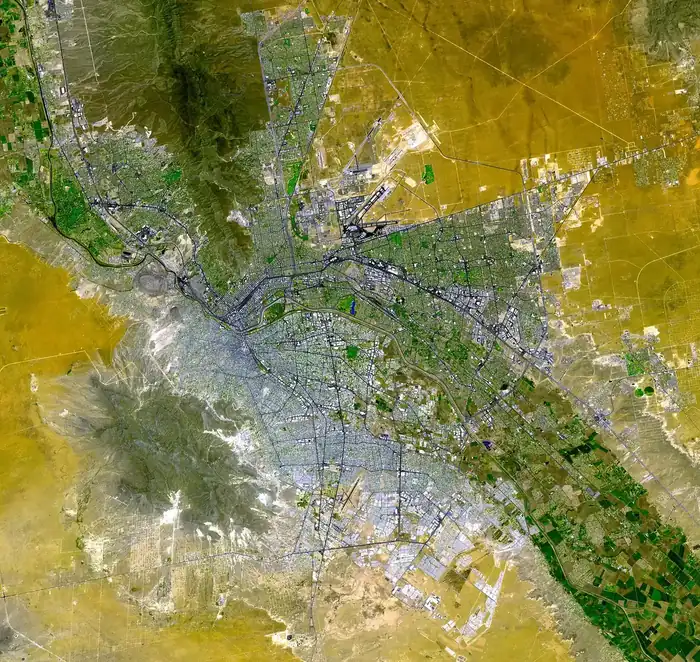
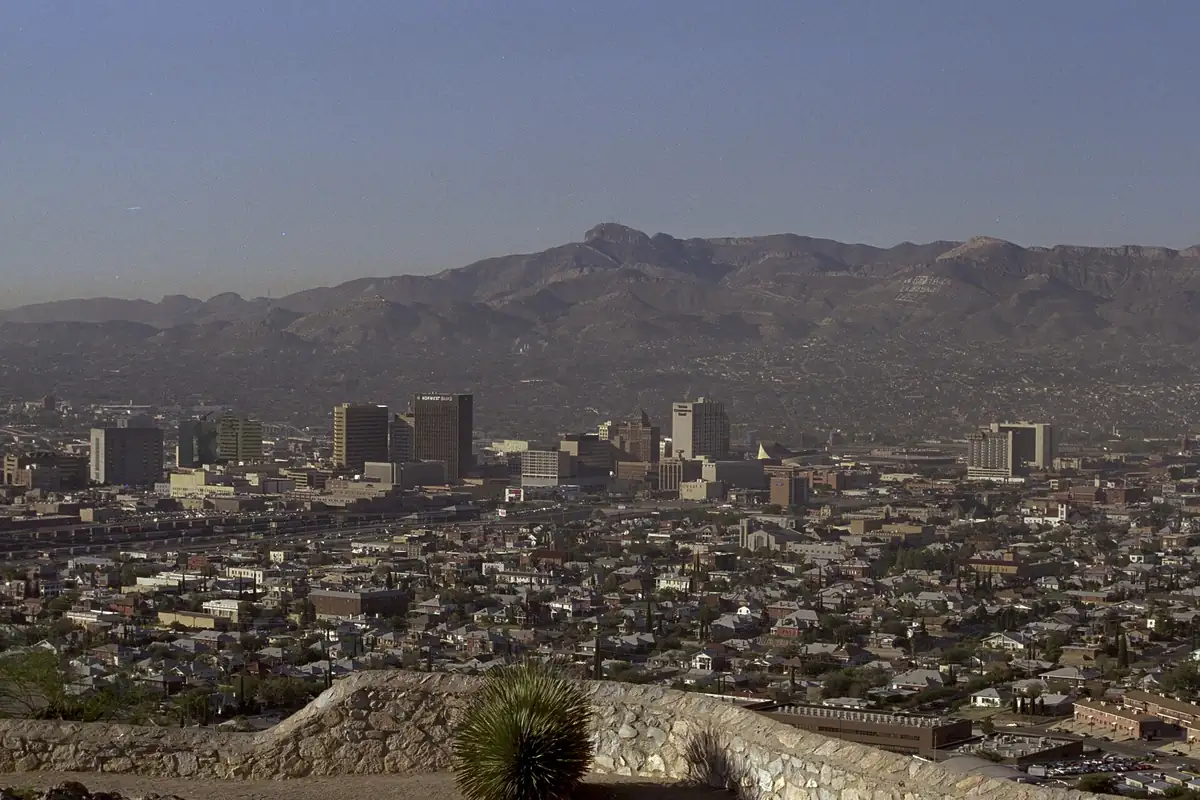
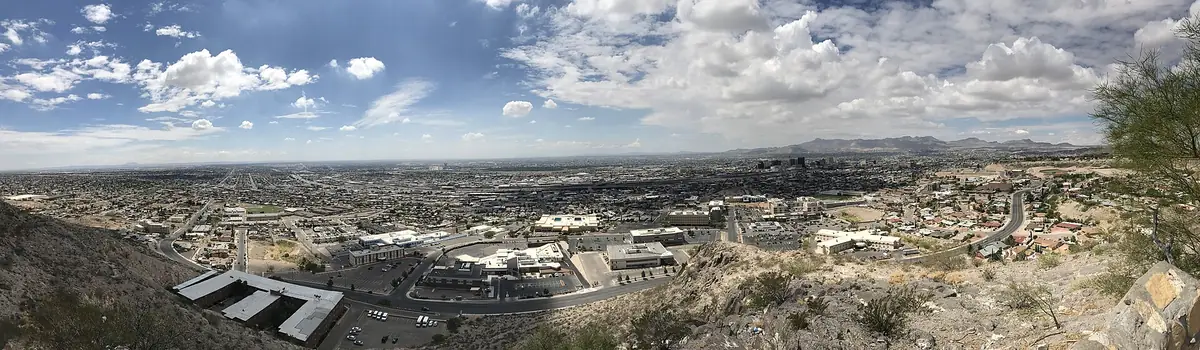
El Paso sits in the Chihuahuan Desert at roughly 3,700 feet, and the desert sets the terms for every pipe and compressor in the city: summer afternoons that pass 100 degrees for weeks, sun that bakes rooftops and outdoor units all day, and air dry enough that evaporative cooling works - most of the year. Home systems here do not age the way they age in humid or mild cities.
The water is the second force. El Paso's supply - drawn from the Rio Grande and the Hueco and Mesilla bolson aquifers - is very hard, loaded with the calcium and magnesium the desert geology hands it. That mineral load scales water heater tanks and elements, crusts faucet aerators and showerheads, spots every fixture, and quietly shortens the life of everything water touches.
How Ductwork & Airflow Works
Measure the house room by room
Temperatures and airflow at every register, return performance, and the static pressure the blower works against - the comfort map in numbers before anything is touched.
Inspect the duct system's body
Attic runs walked and photographed: joints, crushes, insulation, disconnects - the full inventory of leaks and restrictions, located by run.
Seal, repair and resize to the plan
Mastic sealing, damaged sections replaced, crushed runs restored, returns added where the math demands - the plan executed in the attic, not described from below.
Rebalance and verify
Registers re-measured after the work; the room-by-room map is produced again so the improvement is a measurement, not an impression.
Doing It Yourself vs a Professional
The DIY Route
- Sealing the one visible joint while twenty feet of run leaks elsewhere treats the photograph, not the system
- Closing registers to 'push' air to hot rooms pressurizes ducts and increases leakage at every joint
- Adding a booster fan to a crushed run amplifies noise to move air through a restriction that should be removed
VS
The Professional Route
- Begins with measurements - register airflow and static pressure - not opinions about 'bad ducts'
- Seals mechanically and with mastic, and insulates what it seals
- Verifies with a second room-by-room map; the before and after are both documents
Keep It From Coming Back
Ductwork stays sound by being left alone in the attic and measured occasionally in the house. The habits below guard the air path between professional audits.
- Have ducts inspected after any attic, roof or remodel work - foot traffic crushes what it cannot see.
- Keep attic insulation off duct runs and junctions; buried flex is crushed flex.
- Seal with mastic, never cloth duct tape - its adhesive fails in attic heat within seasons.
- Change filters on schedule; a starved return side strains the whole distribution.
- After any equipment change, ask for the airflow numbers, not just the startup.
- Photograph your duct layout for the house file - the next trade in the attic will thank you.