Heat Pumps Through the El Paso Year
Fall is the repair window. The monsoon breaks, the heat lets go, and the weather turns calm and dry - the right weeks to fix what the summer exposed, flush the water heater before the holidays load it, and swap cooler systems over before the first freeze night finds water still sitting in their lines.
El Paso winters are bright days and freezing nights. The danger hour is the desert dawn, when exposed and under-insulated pipes - hose bibs, garage runs, attic lines, cooler supply lines - reach their coldest. Winter work here is freeze protection and heating: furnaces and heat pumps that sat idle since March get their first real calls on the coldest nights of the year.
Summer is the proving season. Weeks of 100-degree afternoons run air conditioners near-continuously, cold water lines sweat in hot attics, and water heaters work against the highest inlet temperatures of the year. Then the monsoon folds humidity into the heat: refrigerated air must suddenly dehumidify as well as cool, and swamp coolers lose their edge entirely on the humid afternoons.
Heat Pumps in Depth
The heat pump's elegance is thermodynamic: it rents heat from the outdoors instead of manufacturing it, and in El Paso's winter temperature band the rent is cheap. Its ownership discipline follows from its duty cycle - it is the only common system with no off-season, and its service calendar, failure modes and economics all double accordingly. Households that adopt it with a two-visit rhythm get the technology's full promise.
Defrost is where its story turns local. The desert's cold-humid nights frost coils in patterns dry-cold climates rarely produce, and the defrost system's judgment - when to melt, when to wait - is exercised nightly. A heat pump whose defrost misreads is a strip heater with an expensive outdoor ornament. Servicing the sensors and board is thus not a detail of heat pump ownership here; it is the winter's main event.
Choosing the Right Help
Choose the heat pump service that tests both modes and observes a defrost - a technician fluent in only the cooling half owns half the machine. Ask how auxiliary heat is set and verified. In this climate the technology rewards specialists in its full calendar; choose accordingly.
The Climate Behind It
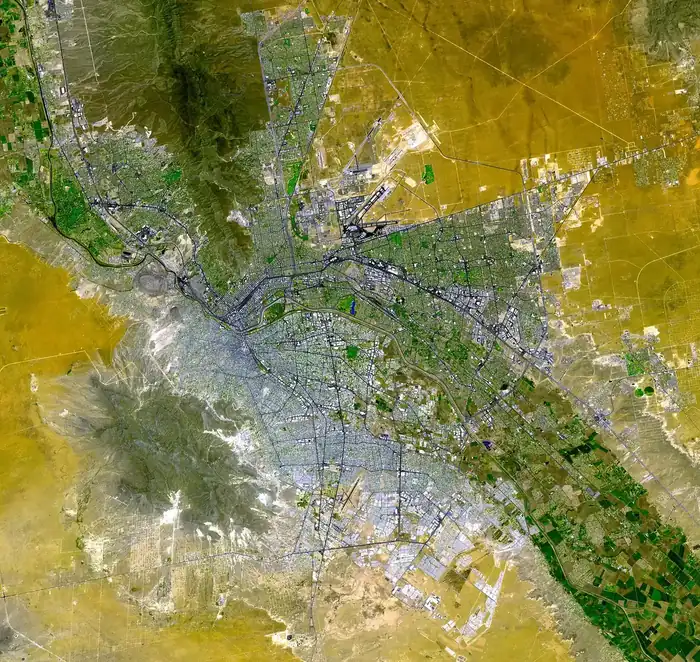
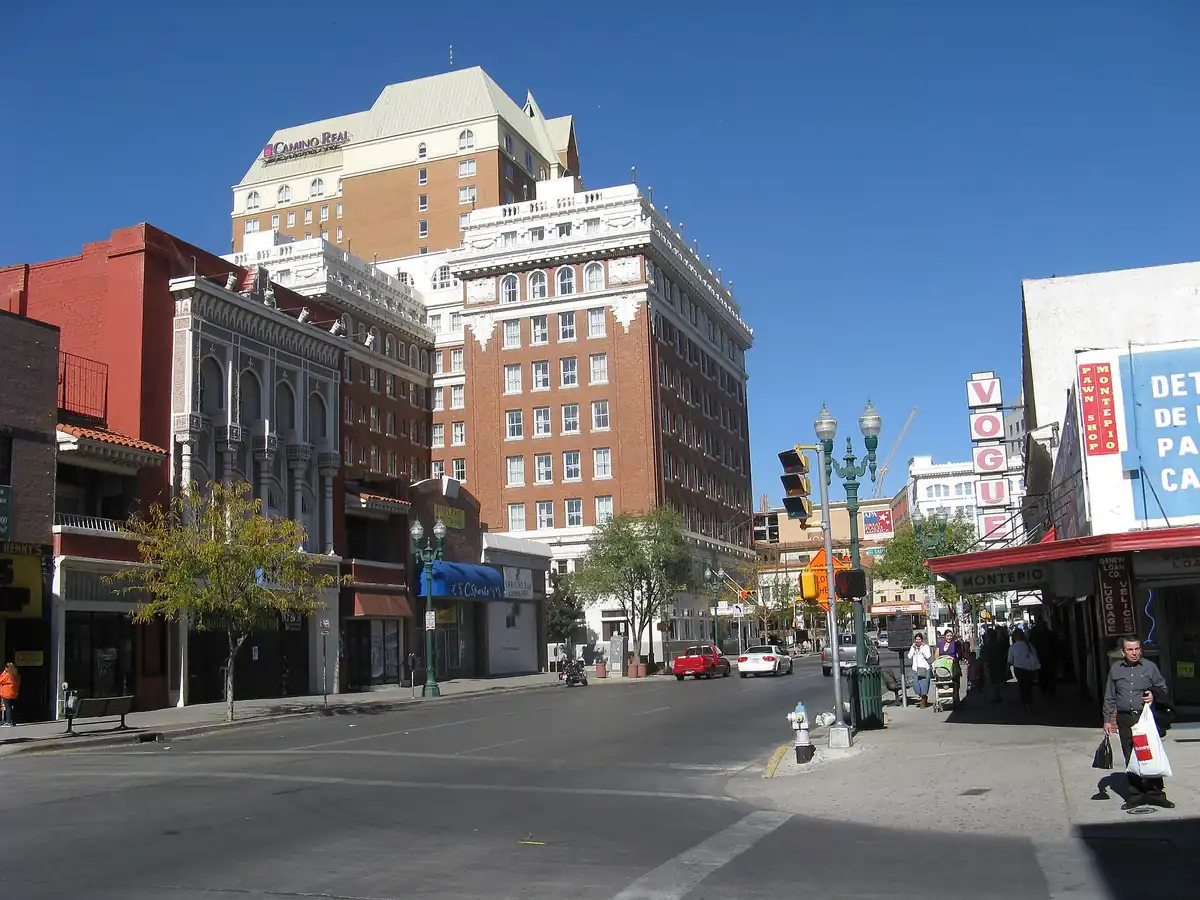
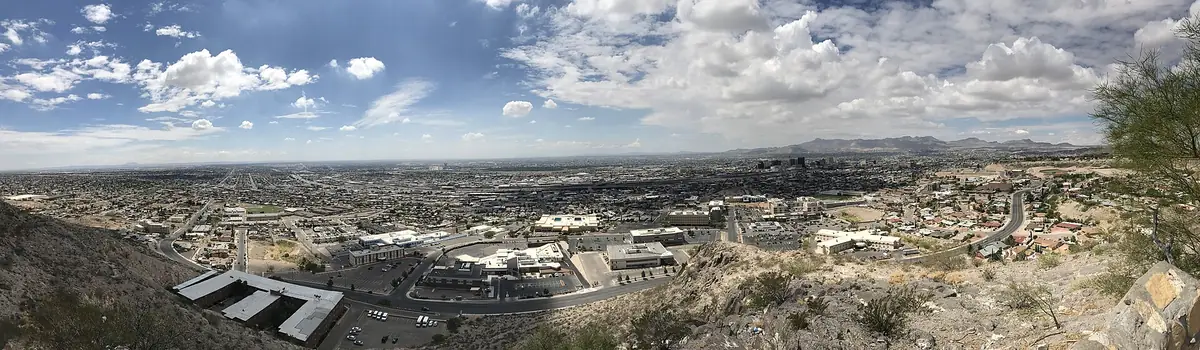
El Paso sits in the Chihuahuan Desert at roughly 3,700 feet, and the desert sets the terms for every pipe and compressor in the city: summer afternoons that pass 100 degrees for weeks, sun that bakes rooftops and outdoor units all day, and air dry enough that evaporative cooling works - most of the year. Home systems here do not age the way they age in humid or mild cities.
The water is the second force. El Paso's supply - drawn from the Rio Grande and the Hueco and Mesilla bolson aquifers - is very hard, loaded with the calcium and magnesium the desert geology hands it. That mineral load scales water heater tanks and elements, crusts faucet aerators and showerheads, spots every fixture, and quietly shortens the life of everything water touches.
How Heat Pumps Works
Measure in both modes
Cooling performance and heating performance are tested separately - pressures, temperature rises and splits - because a heat pump can be healthy in one direction and failing in the other.
Audit the defrost and auxiliary systems
The defrost cycle is triggered and observed; auxiliary strip operation and its lockout settings are verified - the two systems that decide winter bills.
Repair with the season in view
Valve, board, sensor or charge work is sequenced against the calendar - what must be done before the cold, what can be scheduled - stated plainly.
Verify the balance point
The temperature at which auxiliary heat should engage is set to the house's reality, so the strips assist at dawn instead of substituting all winter.
Doing It Yourself vs a Professional
The DIY Route
- Setting the thermostat to auxiliary/emergency heat permanently pays the highest rate to hide a fixable fault
- Chipping ice off a coil with tools bends fins and can puncture the tubing the ice is hugging
- Judging a heat pump by its first cold night ignores the sizing and charge evidence a measured visit gives
VS
The Professional Route
- Tests both directions - a one-mode check misses half the machine
- Observes a real defrost cycle and verifies auxiliary lockouts by temperature
- Reads winter bills as diagnostics: strip dependence is measured, not guessed
Keep It From Coming Back
A heat pump's prevention list serves two seasons with one set of habits: keep the coil clean, watch the winter ice, and never let the auxiliary strips become a silent lifestyle.
- Service twice yearly - the system works two seasons and earns both visits.
- Watch the outdoor unit on cold nights; ice that stays is a service call.
- Keep the coil rinsed through dust season - it serves January as much as July.
- Know your auxiliary heat's sound and bill signature; a spike is a report.
- Change filters on the dust schedule in both seasons, not just summer.
- After any refrigerant work, have the defrost sequence re-verified.